
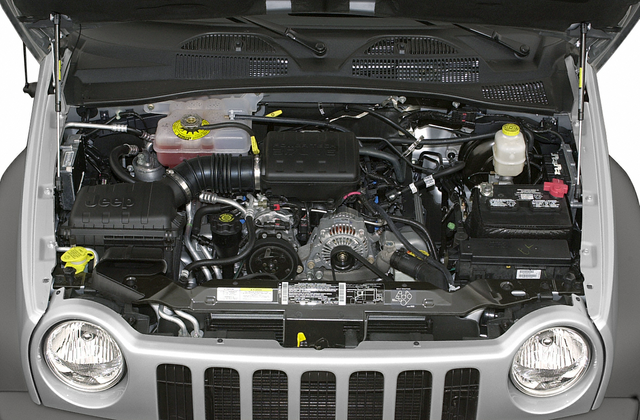
If you are searching for a used 2002 Jeep Liberty engine for sale, the most important step is confirming compatibility before comparing prices. Check the engine configuration, VIN-related fitment information, mileage, donor vehicle, testing records, condition, included components, warranty, and return policy. A low-priced engine is not necessarily a good value if it requires unexpected parts or does not match your Liberty.
The 2002 Jeep Liberty was available with different engine configurations depending on market and vehicle specification, so buyers should verify the exact engine required rather than relying only on the model year. Service information for the Liberty identifies, among other configurations, the 3.7L V6 and 2.4L four-cylinder engines.
What to Check Before Buying a Used 2002 Jeep Liberty Engine
A replacement engine should be evaluated as a complete package rather than by price alone. Before purchasing, confirm these key details:
|
|
|
|
|
|
|
|
|
|
|
|
|
|
|
|
|
|
|
|
|
|
|
|
|
|
|
|
|
|
|
|
|
1. Confirm the Exact Engine Configuration
Never order an engine simply because the listing says “2002 Jeep Liberty.” Verify the engine size, transmission compatibility, drivetrain configuration, and other relevant specifications.
Factory parts information identifies multiple engine applications for the Liberty platform, including 2.4L and 3.7L configurations.
If possible, provide the seller with your VIN and ask them to confirm fitment. This is especially important when buying from a salvage yard or an online used-engine marketplace.
2. Ask About Mileage and Donor Vehicle
Mileage is one of the first questions to ask when evaluating a used engine. A seller should ideally be able to provide the mileage of the donor vehicle or explain how the mileage was determined.
Also ask where the engine came from. Was it removed from a running vehicle? Was the donor vehicle damaged in an accident? Was the engine removed because of mechanical failure?
A donor vehicle with documented information gives you more context than an engine with an unknown history.
3. Look for Testing Information
A reputable seller should be able to explain what testing was performed.
Depending on the seller and engine condition, useful information can include:
- Compression testing
- Leak-down testing
- Oil-pressure testing
- Visual inspection
- Inspection for fluid leaks
- Verification that the engine turns freely
- Inspection of major external components
Testing does not guarantee that a used engine will never need repairs, but it gives buyers more information before installation.
For example, service information for the Liberty describes compression testing as part of engine diagnosis procedures.
Inspect the Engine for Visible Problems
If photographs are available, examine them carefully rather than looking only at whether the engine appears clean.
Check for Oil and Coolant Leaks
Look around the oil pan, valve-cover areas, front cover, cylinder-head areas, coolant passages, and other visible sealing surfaces.
A small amount of surface grime is expected on many used engines. However, heavy oil accumulation, damaged housings, broken connectors, or obvious cracks deserve additional questions before purchase.
The Liberty's engine compartment includes components such as the oil dipstick, oil filler, coolant reservoir, alternator, drivebelt, and air-filter housing, making these areas useful reference points when comparing photographs with your vehicle.
Check Connectors and Mounting Points
Look for damaged electrical connectors, broken brackets, missing mounting points, and damaged threaded holes.
These issues can turn an apparently inexpensive replacement engine into a more expensive installation.
Understand What Comes With the Engine
A used engine is not always sold with every accessory shown in a photograph.
Ask whether the sale includes:
- Intake manifold
- Exhaust manifolds
- Fuel-related components
- Alternator
- Starter
- Power steering components
- Air-conditioning compressor
- Sensors
- Wiring
- Engine mounts
- Flywheel or flexplate
The exact package varies by seller.
This matters because you may need to transfer accessories from your original engine. Service documentation shows that several accessories and components can be removed separately during engine replacement, so it is important to know what you are actually buying.
Compare Warranty and Return Policies
A warranty can be more important than saving a small amount on the initial purchase price.
Before ordering a used 2002 Jeep Liberty engine for sale, ask:
- How long is the warranty?
- What components are covered?
- Is labor covered?
- What conditions could void the warranty?
- Is installation required by a professional?
- What happens if the engine arrives damaged?
- How long do you have to report a problem?
Also read the return policy carefully. Some sellers require the buyer to inspect the engine immediately after delivery, while others have specific requirements concerning installation or fluids.
Used vs. Rebuilt vs. Remanufactured Engines
Not every replacement engine advertised online is the same type of product.
|
|
|
|
|
|
|
|
|
|
|
|
Your choice depends on budget, availability, intended use, and the condition of your vehicle. Ask the seller exactly what “rebuilt” or “remanufactured” means rather than assuming all sellers use these terms identically.
Prepare for Installation
Buying the engine is only part of the replacement process. Before installation, discuss the job with your mechanic.
Common replacement-related considerations may include inspecting or replacing accessible seals, gaskets, hoses, belts, fluids, filters, and other wear items as appropriate.
The cooling system deserves particular attention. The Liberty service information identifies the cooling system as an important part of engine operation and provides dedicated procedures for the 3.7L engine.
If the original engine failed because of overheating, contamination, lubrication problems, or another system-related issue, simply installing another engine may not address the underlying cause.
Used 2002 Jeep Liberty Engine
How much does a used 2002 Jeep Liberty engine cost?
Prices vary according to engine type, mileage, condition, testing, warranty, availability, and included components. Compare the complete purchase package rather than focusing only on the advertised price.
What engine does a 2002 Jeep Liberty use?
The 2002 Liberty was offered with different engine configurations depending on specification and market. Verify your vehicle before ordering.
Is it worth buying a used Jeep Liberty engine?
A used engine can be a practical replacement when its compatibility, condition, history, and warranty are clearly documented.
Should I buy an engine with high mileage?
Higher mileage does not automatically mean an engine is unusable. Testing, maintenance history, condition, and warranty should also be considered.
What should I replace when installing a used engine?
Your mechanic can determine which seals, gaskets, filters, fluids, hoses, belts, and other accessible wear items should be replaced during installation.
How do I verify engine compatibility?
Use the VIN, engine configuration, vehicle specifications, and seller fitment information. Do not rely solely on the model year.
FAQs
Can I install a used engine myself?
Engine replacement requires specialized equipment and mechanical knowledge. A qualified technician can verify fitment and perform necessary inspections.
Does a used engine come with accessories?
Not always. Confirm exactly which components are included before purchasing.
Should I ask for engine photos?
Yes. Photos can help you identify visible damage, missing components, corrosion, leaks, and the overall condition.
Is an engine warranty important?
Yes. A clearly written warranty can provide additional protection if a covered problem appears after installation.
Can the original accessories be reused?
Some components may be transferable, depending on their condition and compatibility. Have them inspected before reuse.
What information should I provide a seller?
Provide your model year, VIN, engine configuration, drivetrain information, and any relevant vehicle details