
Early childhood is one of the most important stages of a child's development. During these early years, children begin to understand the world around them, develop communication skills, recognize patterns, and build the foundations of reading, writing, and mathematics. The activities they experience during this period can influence their confidence, curiosity, and interest in learning as they grow. Parents and teachers play an important role in providing enjoyable opportunities that support these developmental milestones.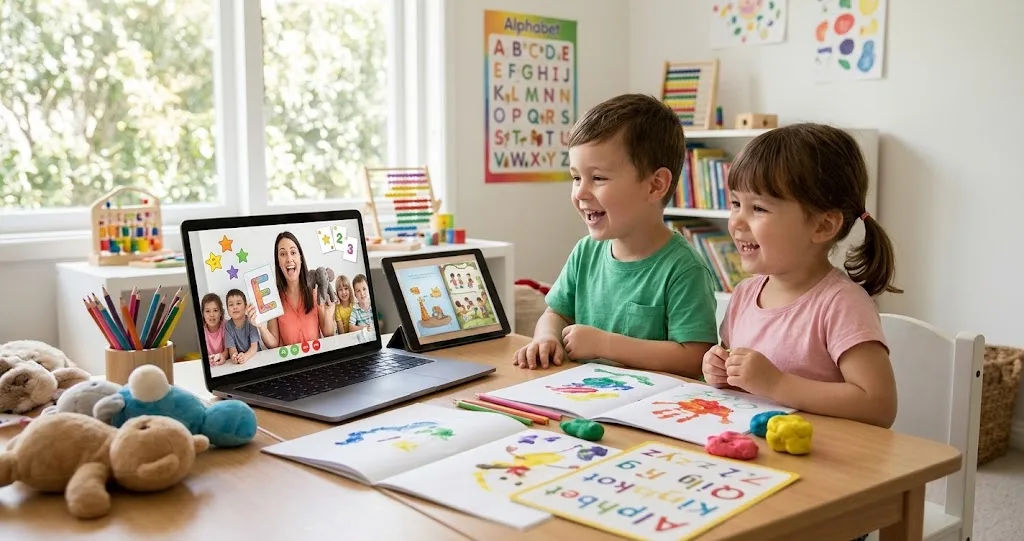
One effective educational resource for supporting young learners is Preschool Worksheets. These learning materials introduce children to basic academic concepts through simple exercises, colorful illustrations, tracing activities, matching games, and creative tasks. They turn early educational concepts into manageable activities that children can understand and enjoy. Instead of relying entirely on verbal explanations, parents and teachers can use worksheets to help children explore ideas through visual learning and hands-on practice.
Understanding how these activities contribute to early childhood education can help parents make better learning choices. When used appropriately, worksheets support several areas of development, including literacy, numeracy, creativity, concentration, memory, and problem-solving. They also provide opportunities for children to practice independently while receiving encouragement from adults.
The Importance of Early Learning
Early learning refers to the experiences and activities that help children develop essential skills before entering formal schooling. It includes academic knowledge, social interaction, emotional development, physical coordination, and independent thinking.
Children between the ages of three and five are naturally curious. They enjoy asking questions, exploring objects, identifying differences, and experimenting with new activities. Educational experiences during this stage should encourage exploration rather than place unnecessary pressure on children to achieve perfect results.
Learning materials should match a child's age, interests, and developmental abilities. Simple activities involving colors, numbers, shapes, letters, and everyday objects can introduce important concepts without overwhelming young learners.
Worksheets can support this process by organizing activities into clear steps. Children can practice one skill at a time, gradually becoming more familiar with new information.
How Preschool Worksheets Support Cognitive Development
Cognitive development involves the growth of thinking, reasoning, memory, attention, and problem-solving abilities. These skills help children understand information and make sense of their surroundings.
Improving Observation Skills
Preschool Worksheets an important part of early learning. Children need opportunities to notice details, identify similarities, and recognize differences between objects.
Activities such as picture matching, shape identification, and finding hidden objects encourage children to examine information carefully.
For example, a worksheet might display several pictures of animals and ask children to identify which ones live in water. The child must look at each picture, remember familiar information, and select the appropriate answers.
These simple exercises encourage active thinking and improve visual awareness.
Strengthening Memory
Memory helps children remember instructions, recognize familiar symbols, and connect new information with previous experiences.
Repetitive learning activities can strengthen memory by giving children regular opportunities to review concepts.
For example, identifying numbers from one to ten several times helps children become familiar with their appearance and sequence.
Similarly, alphabet activities encourage children to remember letter shapes and associate them with familiar sounds.
The purpose is not to force memorization but to create enjoyable opportunities for repeated exposure.
Developing Problem-Solving Abilities
Young children develop problem-solving skills when they are encouraged to think about possible answers instead of simply copying information.
Worksheets featuring simple puzzles, sequencing activities, and pattern recognition provide opportunities to practice logical thinking.
A child might be asked to complete a pattern containing a circle, square, circle, and square. Identifying the next shape requires the child to understand the relationship between the objects.
These activities gradually introduce the foundations of logical reasoning.
Building Early Reading and Writing Skills
Literacy development begins long before children read complete sentences or write paragraphs. Recognizing letters, understanding sounds, and developing hand movements are important early steps.
Introducing Alphabet Recognition
Alphabet recognition is one of the first literacy skills children develop.
Letter-based activities introduce uppercase and lowercase letters through pictures, tracing exercises, and identification tasks.
For example, children may see the letter A alongside pictures of an apple, ant, and airplane. Connecting letters with familiar objects makes learning easier to understand.
Regular practice also helps children distinguish between letters that look similar.
Developing Letter-Sound Awareness
Recognizing letters is important, but understanding their sounds is equally valuable.
Some educational activities encourage children to identify pictures that begin with a particular sound.
For example, a child learning the letter B might identify a ball, banana, or butterfly.
These exercises introduce phonological awareness, which supports later reading development.
Parents can make activities more interactive by saying the letter sound aloud and asking children to repeat it.
Improving Pre-Writing Skills
Writing requires coordination between the eyes, hands, and fingers. Before children can write complete letters and words, they need opportunities to develop these physical skills.
Tracing exercises are useful for introducing controlled hand movements.
Children may trace:
-
Straight horizontal and vertical lines.
-
Curved lines and simple shapes.
-
Dotted alphabet letters.
-
Basic numbers.
-
Zigzag and circular patterns.
These activities help children practice pencil control and hand coordination.
However, tracing should not be the only writing activity. Drawing, coloring, painting, and playing with modeling clay can also strengthen the muscles needed for writing.
Introducing Basic Mathematical Concepts
Mathematics becomes easier to understand when children can connect numbers with real objects and everyday experiences.
Early mathematical learning focuses on counting, comparing, sorting, identifying shapes, and understanding simple patterns.
Teaching Number Recognition
Number recognition helps children identify written numbers and understand their meaning.
Activities can introduce numbers from one to ten before gradually moving toward larger numbers.
For example, a worksheet might display the number four beside four flowers. Children can count the flowers and connect the quantity with the written number.
Parents can reinforce this skill by asking children to count toys, building blocks, fruits, or household objects.
Encouraging Counting Skills
Counting is a foundational mathematical ability.
Simple counting exercises encourage children to say numbers in the correct order and connect them with quantities.
A worksheet might show several groups of objects and ask children to count how many items appear in each group.
As children become more confident, activities can introduce basic addition and subtraction through pictures.
For example, adding two apples to one apple helps children understand that combining groups creates a larger quantity.
Identifying Shapes and Patterns
Shapes and patterns help children understand visual relationships and spatial awareness.
Common early learning shapes include circles, squares, triangles, rectangles, and ovals.
Children can practice identifying these shapes in pictures and connecting them with objects they see in everyday life.
Pattern activities introduce repetition and sequencing. These skills also support mathematical reasoning later in school.
Improving Fine Motor Skills and Hand-Eye Coordination
Fine motor skills involve the small muscles in the hands and fingers. They are necessary for activities such as writing, drawing, cutting, buttoning clothes, and handling small objects.
Educational worksheets can provide regular opportunities to practice these movements.
Strengthening Pencil Control
Holding and controlling a pencil requires practice.
Coloring within simple outlines, connecting dots, and tracing shapes help children become more comfortable with writing tools.
Parents should select activities with large illustrations and clear lines for beginners. Complicated designs can create frustration when children are still developing coordination.
Supporting Hand-Eye Coordination
Hand-eye coordination allows children to use their visual information to guide physical movements.
Activities such as drawing lines between matching objects, following paths, and connecting numbered dots encourage children to coordinate what they see with what their hands do.
These skills are useful beyond classroom activities.
They also support everyday tasks such as stacking blocks, eating with utensils, and playing with toys.
Encouraging Creative Movement
Not every learning activity needs to involve writing.
Coloring, drawing, decorating pictures, and completing simple art exercises allow children to experiment with different movements.
Combining worksheets with hands-on activities provides a more balanced learning experience.
Encouraging Creativity and Imagination
Creativity is an essential part of early childhood development. It allows children to express ideas, explore possibilities, and develop their own ways of understanding information.
Worksheets can encourage creativity when they include open-ended activities rather than only questions with fixed answers.
Providing Opportunities for Drawing
Drawing activities allow children to communicate ideas through pictures.
For example, children might be asked to draw their favorite animal, create a picture of their family, or illustrate a place they would like to visit.
These activities encourage imagination and provide opportunities to practice visual expression.
Exploring Colors and Artistic Ideas
Color recognition can become more enjoyable through coloring exercises.
Children learn to identify different colors, experiment with combinations, and make creative decisions.
Parents can ask questions about their choices, such as why a child selected a particular color for an object.
Such conversations encourage children to explain their ideas and develop communication skills.
Supporting Independent Thinking
Creative exercises allow children to make decisions without always following a predetermined answer.
For example, a worksheet asking children to complete a picture gives them freedom to choose what happens next.
This encourages independent thinking and helps children understand that learning can involve experimentation.
Developing Concentration and Attention
Concentration is the ability to focus on a particular activity for a period of time. It is an important skill for classroom learning and everyday tasks.
Young children naturally have shorter attention spans than older students. Therefore, educational activities should be brief, interesting, and suitable for their developmental stage.
Teaching Children to Follow Instructions
Many learning activities require children to understand and follow simple directions.
A worksheet might ask them to circle all the red objects or draw a line between matching pictures.
Following these instructions encourages listening, reading readiness, and task awareness.
Parents can begin with one-step instructions before introducing activities with multiple steps.
Increasing Attention Through Visual Activities
Bright pictures, recognizable objects, and simple layouts can attract children's attention.
When children find an activity interesting, they are more likely to remain engaged.
However, excessive decorations and complicated designs can become distracting.
The most effective learning materials balance attractive visuals with clear educational goals.
Building Task Completion Habits
Completing a small activity gives children a sense of achievement.
When children finish a task, parents can acknowledge their effort and encourage them to try another activity when they are ready.
This gradually introduces responsibility and the habit of completing manageable tasks.
Supporting Language and Communication Development
Language development includes understanding words, expressing thoughts, asking questions, and communicating with others.
Educational activities can support these skills by introducing new vocabulary and creating opportunities for discussion.
Expanding Everyday Vocabulary
Picture-based activities introduce children to familiar and unfamiliar objects.
A worksheet showing different fruits, animals, household items, or transportation vehicles can help children learn their names.
Parents can extend the activity by asking children to describe each object.
For example, when discussing an elephant, a parent might ask what color it is, where it lives, and what makes it different from other animals.
This turns a simple picture activity into a meaningful language lesson.
Encouraging Conversation
Children learn communication skills through regular interaction.
Parents and teachers can use worksheet activities as starting points for conversations.
Instead of simply asking children to complete an exercise, adults can ask open-ended questions about the pictures and concepts.
This encourages children to express opinions, explain answers, and use newly learned vocabulary.
Introducing Storytelling
Some activities include pictures arranged in a sequence.
Children can use these pictures to explain what happens first, next, and last.
For example, a sequence might show a seed being planted, watered, and growing into a plant.
Describing the sequence helps children develop storytelling skills and understand the order of events.
Helping Children Develop Confidence and Independence
Confidence develops when children receive opportunities to try new activities, make decisions, and experience progress.
Educational exercises can provide a comfortable environment for practicing skills without the pressure of formal examinations.
Creating Small Learning Achievements
Children often feel proud when they recognize a letter, complete a puzzle, or count objects correctly.
These small achievements encourage them to continue exploring new concepts.
Parents should recognize effort rather than focus entirely on correct answers.
A child who attempts a difficult activity is already developing valuable learning habits.
Encouraging Independent Practice
Age-appropriate activities allow children to complete simple tasks with limited assistance.
For example, a child might independently match pictures, identify colors, or trace familiar shapes.
Parents can provide guidance when necessary while allowing children enough time to explore.
Independent practice gradually builds confidence and decision-making abilities.
Learning From Mistakes
Mistakes are a natural part of learning.
If a child identifies the wrong shape or writes a letter incorrectly, parents should explain the answer patiently.
Correcting mistakes positively helps children understand that learning involves practice and improvement.
Avoid comparing children with siblings or classmates because every child develops at a different pace.
The Role of Parents and Teachers in Worksheet-Based Learning
Educational materials are most effective when adults use them thoughtfully.
Parents and teachers should understand that young children need interaction, encouragement, movement, and practical experiences alongside paper-based activities.
Choosing Age-Appropriate Activities
The difficulty of an activity should match the child's current abilities.
Younger preschoolers may benefit from large pictures, basic colors, simple matching exercises, and easy tracing tasks.
Older preschoolers may be ready for alphabet recognition, number comparisons, sequencing, and simple counting problems.
If an activity is too difficult, children may lose interest. If it is too easy, they may not receive enough stimulation.
Choosing the right level helps maintain an appropriate learning challenge.
Creating a Consistent Learning Routine
A simple routine can help children become familiar with educational activities.
Parents might introduce a short learning session after breakfast or before an afternoon play period.
The routine should remain flexible because children's energy levels and interests can change.
There is no need to complete several pages in one sitting. A few meaningful activities can provide more value than a long session filled with repetition.
Combining Worksheets With Real-Life Experiences
Children understand concepts more effectively when they can connect learning materials with their surroundings.
For example, after completing a shape activity, parents can ask children to find circles, squares, and rectangles around the home.
After practicing counting, children can count spoons, toys, or steps.
These experiences help children understand that educational concepts are useful in everyday life.
Different Types of Preschool Worksheets and Their Benefits
There are many types of learning activities designed to support different developmental skills.
Selecting a variety of exercises prevents learning from becoming repetitive.
Alphabet and Phonics Activities
These exercises introduce letters, sounds, and basic vocabulary.
They help children develop familiarity with the alphabet and prepare for early reading.
Number and Counting Activities
Number-based exercises introduce counting, number recognition, simple comparisons, and basic mathematical relationships.
They provide a foundation for future mathematics lessons.
Coloring and Drawing Activities
Coloring pages and drawing exercises encourage creativity, visual recognition, and fine motor development.
They also allow children to express themselves.
Matching and Sorting Activities
Matching exercises encourage children to identify relationships between objects.
Sorting activities can introduce categories such as colors, shapes, animals, and sizes.
Maze and Puzzle Activities
Simple mazes and puzzles encourage concentration, visual tracking, and problem-solving.
They also help children practice making decisions and following paths.
Pattern and Sequencing Activities
These exercises teach children to recognize repetition and understand the order of events.
They support logical thinking and early mathematical development.
How to Make Worksheet Activities More Enjoyable
Children learn best when educational experiences are interesting and appropriate for their abilities.
Parents can use several simple strategies to make learning sessions more engaging.
Keep activities short: Preschoolers do not need lengthy study sessions. Short activities allow children to remain interested without becoming tired.
Use positive encouragement: Praise effort, curiosity, and improvement. Avoid making children feel unsuccessful when they need additional practice.
Introduce variety: Combine tracing, coloring, matching, counting, and drawing to maintain interest.
Allow movement: Give children opportunities to stand up, stretch, and play between activities.
Follow individual interests: If a child enjoys animals, introduce counting, vocabulary, and matching exercises featuring animals.
Avoid unnecessary pressure: Educational activities should support development rather than turn early childhood into a stressful academic competition.
Common Mistakes to Avoid When Using Worksheets
Although worksheets can be helpful, using them incorrectly may reduce their educational value.
One common mistake is expecting children to complete too many activities in a short period. Young learners need time to understand concepts and develop physical coordination.
Another mistake is focusing only on correct answers. Early education should encourage curiosity, exploration, and effort rather than perfection.
Parents should also avoid using worksheets as a replacement for play. Children need opportunities to run, build, communicate, explore nature, and interact with other people.
Choosing materials that are too advanced can also create unnecessary frustration. Learning should progress gradually as children develop new abilities.
Finally, adults should avoid completing activities for children simply to produce perfect results. Allowing children to attempt tasks independently provides valuable opportunities for growth.
How to Measure Progress in Early Learning
Monitoring progress helps parents and teachers understand which skills children have developed and where additional support may be useful.
However, progress should not be measured through worksheets alone.
Observe Skill Development
Parents can observe whether children are becoming more confident with basic activities.
For example, they may begin recognizing letters more quickly, counting objects accurately, or identifying common shapes without assistance.
These improvements indicate growing familiarity with important concepts.
Notice Changes in Independence
Another sign of progress is the ability to complete simple activities with less guidance.
Children may gradually become more comfortable holding pencils, following instructions, and organizing their work.
These everyday improvements are important developmental achievements.
Encourage Progress Without Comparison
Every child develops at an individual pace.
Some children may recognize numbers early, while others may demonstrate stronger communication or creative abilities.
Parents should focus on personal improvement rather than comparing children with others.
If persistent developmental concerns arise, discussing them with an appropriate early childhood professional can help families understand whether additional support is needed.
Conclusion
Early childhood education provides the foundation for future academic achievement, social development, and independent thinking. Children benefit from learning experiences that encourage curiosity, creativity, communication, and practical exploration. Providing suitable educational activities during these important years can help them develop essential abilities while building a positive relationship with learning.
Preschool Worksheets offer a practical way to introduce foundational concepts through structured and enjoyable exercises. From alphabet recognition and early reading skills to counting, shapes, patterns, and problem-solving, these activities support several important areas of development. They also encourage concentration, hand-eye coordination, fine motor skills, and independent thinking.
However, their effectiveness depends on how they are used. Parents and teachers should select age-appropriate materials, introduce activities gradually, and provide encouragement without placing unnecessary pressure on children. Combining worksheet exercises with storytelling, outdoor exploration, creative play, and everyday conversations creates a more balanced educational experience.
It is equally important to recognize that children develop at different rates. Some may quickly understand letters and numbers, while others need more time to strengthen coordination, communication, or concentration. Patience and positive reinforcement help children feel comfortable exploring unfamiliar concepts.
Ultimately, the purpose of early learning is not simply to prepare children for academic tests. It is to help them become curious, confident, creative, and capable individuals. When supported by meaningful interactions and hands-on experiences, Preschool Worksheets can become valuable learning tools that make early education more engaging and enjoyable.