
Chicago is famous for its diverse food culture, where traditional American dishes meet flavors and cooking traditions from around the world. Burgers are an important part of this food scene, but not every burger offers the same ingredients, preparation methods, or dining experience. For people who follow Islamic dietary guidelines, halal burgers provide a way to enjoy this popular meal while paying attention to religious requirements.
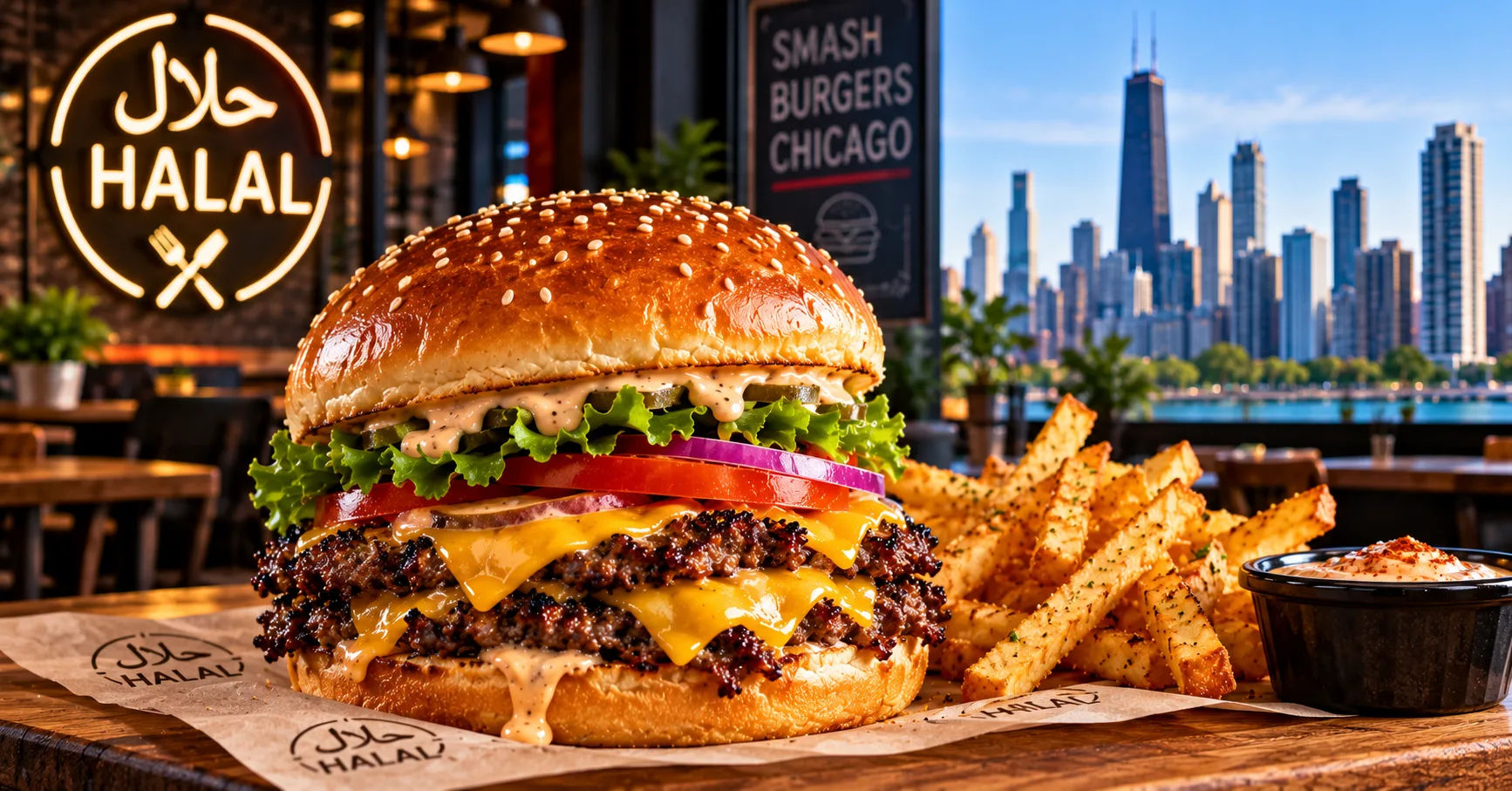
What makes a burger different is not always the meat alone. The quality of the ingredients, the cooking technique, the sauces, the toppings, and the restaurant's approach to food preparation can all influence the final result. Some burgers focus on classic American flavors, while others incorporate spicy seasonings, international influences, or creative combinations.
Exploring Halal Burgers in Chicago reveals how restaurants adapt a familiar comfort food to meet different tastes and dietary preferences. From juicy beef patties and crispy chicken sandwiches to gourmet creations with distinctive sauces, Chicago's halal burger scene offers a wide range of experiences. Understanding these differences can help diners choose meals that suit their expectations, whether they prefer a simple cheeseburger or a more adventurous combination.
This guide explains what makes halal burgers different, how restaurants prepare them, which ingredients matter most, and what customers should consider when choosing a place to eat. It also explores regional food influences, value, freshness, and the importance of verifying halal practices.
What Makes a Burger Halal?
Before comparing burger styles, it helps to understand what the term halal means. In Islamic dietary law, halal refers to what is permissible. When applied to burgers, it covers the meat's source, the ingredients used, and relevant food-handling practices.
The Importance of Halal Meat
Beef and chicken are common choices for burgers, but their suitability depends on how the meat is sourced and processed. Meat intended to be halal must come from a permissible animal and meet applicable Islamic slaughter requirements.
Restaurants may obtain meat from halal-certified suppliers or other trusted sources that provide appropriate assurance. Customers who want greater certainty can ask about certification and sourcing rather than relying only on a menu description.
The meat itself can be similar in appearance to meat used in conventional burgers. The main difference is the sourcing and compliance process, not necessarily the flavor or texture.
Ingredients Beyond the Meat
A burger contains more than a patty. Buns, cheese, sauces, marinades, and seasoning blends may include ingredients that require verification.
For example, some cheeses use animal-derived rennet, and certain processed products contain additives whose origins can vary. Prepared sauces may also contain ingredients that diners want to check.
A restaurant that takes halal requirements seriously should be able to explain its ingredient policies or direct customers to relevant certification information.
Food Preparation and Cross-Contact
Preparation practices are another important consideration. Cooking utensils, griddles, storage areas, and preparation surfaces should be managed to prevent contact with prohibited ingredients.
Some restaurants use dedicated equipment for halal products. Others may follow cleaning and separation procedures that meet their applicable halal standards.
For customers, the important point is that halal status involves the entire preparation process, not simply the label attached to the beef.
How Do Halal Burgers in Chicago Differ From Regular Burgers?
The primary distinction is dietary compliance, but the overall dining experience can differ in several other ways. Restaurants may also offer unique menus, seasoning styles, and preparation methods.
Meat Sourcing and Menu Choices
Conventional burger restaurants may source meat without specifically considering halal requirements. Halal-focused establishments, by contrast, pay attention to permissible sourcing and ingredient suitability.
This does not automatically make one burger tastier than another. Flavor depends on meat quality, fat content, seasoning, cooking temperature, and freshness.
However, customers seeking halal food may value the additional assurance that comes from a restaurant's sourcing policies and preparation practices.
Seasoning and Marinades
Some halal burger restaurants use straightforward seasoning, such as salt and black pepper, to emphasize the natural taste of beef. Others use garlic, paprika, chili, cumin, or house-made spice blends.
These choices can create different flavor profiles. A classic cheeseburger might taste rich and savory, while a spicy burger could offer more heat and complexity.
Seasonings do not have to be elaborate for a burger to be delicious. The most successful combinations usually complement the meat rather than overpower it.
Cooking Techniques
Chicago restaurants may serve thin smash burgers, thicker grilled patties, charbroiled burgers, or crispy chicken burgers.
A smash burger is pressed onto a hot, flat cooking surface, creating a thin patty with browned edges. A thicker patty provides a more substantial bite, while a grilled burger may have a distinct charred flavor.
These techniques can be used with halal ingredients. The cooking style and halal status are separate aspects of the finished product.
The Influence of Chicago's Diverse Food Culture
Chicago's halal burger scene reflects the city's broader cultural diversity. The city's restaurants draw inspiration from American diner food, Middle Eastern cooking, South Asian spices, and contemporary gourmet burger trends.
Chicago's wider halal food scene includes everything from traditional Middle Eastern meals to American barbecue, tacos, pizza, and burgers. This variety gives restaurants opportunities to combine familiar burger formats with different culinary influences.
American-Style Burgers
American-style burgers emphasize beef, cheese, onions, pickles, and sauces. Their appeal comes from familiar flavors and a straightforward combination of ingredients.
A halal restaurant can recreate this classic style by using suitable beef and other compliant ingredients. The result may taste very similar to a traditional diner burger while meeting the customer's dietary requirements.
Middle Eastern Influences
Some restaurants draw inspiration from Middle Eastern flavors by incorporating garlic sauces, grilled onions, distinctive spice blends, or shawarma-inspired ingredients.
These additions can give a burger a more complex flavor without changing its basic structure. For example, a beef patty topped with garlic sauce and seasoned onions offers a different experience from a classic cheeseburger.
Not every halal restaurant uses these influences, however. Menus vary, and many establishments focus entirely on familiar American burger styles.
South Asian Flavors
South Asian food traditions offer another source of inspiration. Chili, cumin, coriander, and other spices can introduce warmth and depth to a burger's flavor.
A spicy chicken burger or a beef burger with a carefully balanced seasoning blend may appeal to diners who enjoy stronger flavors. The important consideration is balance: spices should complement the meat rather than conceal its taste.
Modern Gourmet Techniques
Some burger restaurants focus on premium beef blends, freshly prepared patties, house-made sauces, and carefully assembled toppings.
Smash burgers are particularly popular among diners who enjoy thin patties with crispy edges. Other establishments favor thicker patties that emphasize a substantial beef texture.
These modern techniques are not exclusive to halal restaurants. Their significance lies in how individual kitchens use them to create distinctive menus.
What Types of Halal Burgers Can You Find in Chicago?
The range of burger styles available across Chicago and its suburbs means that diners can choose according to their preferences, appetite, and budget.
These burgers feature thin beef patties pressed against a hot griddle. Their browned edges and rich flavor make them an appealing choice for people who enjoy a crisp exterior and a relatively thin patty.
Thicke patties, premium beef blends, distinctive cheeses, and carefully selected toppings create a more substantial burger. The flavor depends on the meat quality and cooking technique.
Crispy Chicken Burgers
Breaded chicken provides a crunchy texture, while lettuce, pickles, and sauce add freshness and flavor. Customers should verify that the chicken, breading, frying oil, and preparation practices meet their halal requirements.
Chili, jalapeños, spicy sauces, and seasoned beef can create a burger with a stronger kick. These options suit diners who prefer bold flavors rather than a mild, traditional combination
Plant-Based Burgers
Plant-based patties can provide an alternative for vegetarians or people who want to reduce their meat consumption. Customers should still check the patty's ingredients and cooking arrangements if they have specific dietary requirements.
Where Can You Explore Halal Burgers in Chicago?
Chicago has several areas worth exploring if you are looking for halal burger options. Availability, menus, and certification status can change, so it is best to verify the details before visiting.
The following examples are starting points for research rather than a ranking based on taste.
6234 N. California Avenue, Chicago
This restaurant appears in the Halal Monitoring Services (HMS) certified restaurant directory, which lists beef and chicken among its products. Check the live listing before visiting for current details.
Halal Smash Burger & Phillies — West Ridge
6404 N. California Avenue, Chicago
This establishment is listed in the HMS directory with beef, chicken, and lamb products. It is a useful option to investigate if you prefer smash-style burgers.
Burger Zone — North Side
3332 W. Foster Avenue, Chicago
HMS lists this restaurant with certified beef, chicken, and lamb products. Check its current menu and ask about the specific burger you intend to order.
How Do Ingredients Affect Taste and Quality?
Even when two restaurants use halal beef, their burgers can taste very different. The meat blend, freshness, cooking temperature, bun, toppings, and sauce all influence the result.
Beef Quality and Fat Content
A burger made with a well-balanced beef blend can offer a richer flavor and more satisfying texture. Fat contributes moisture and flavor, while the cooking method determines how much browning develops on the surface.
Some restaurants emphasize premium beef blends, while others focus on seasoning and toppings. Neither approach guarantees a better burger; the final result depends on how well the ingredients work together.
Freshness and Preparation
Freshly prepared patties can develop a better crust when cooked on a properly heated surface. Vegetables also matter: crisp lettuce, ripe tomatoes, and fresh onions provide contrast to the richness of the meat.
A restaurant's consistency is important too. A burger that tastes excellent on one visit should ideally offer a similar experience the next time.
Buns, Cheese, and Sauces
A soft bun provides structure without overwhelming the patty. Cheese adds richness, while pickles and mustard introduce acidity. Sauces can bring these flavors together, but too much sauce may make the burger soggy.
When comparing restaurants, pay attention to how the ingredients complement one another rather than judging a burger by the number of toppings alone.
Are Halal Burgers in Chicago More Expensive?
Halal Burgers in Chicago depends on the restaurant, location, portion size, ingredients, and service style. Halal burgers are not automatically more expensive than conventional burgers.
A simple single-patty burger may be relatively affordable, while a double smash burger with premium beef, specialty cheese, and house-made sauce may cost more. Sides, drinks, delivery fees, and taxes can also affect the final bill.
When comparing prices, consider the entire meal rather than the burger alone. A slightly more expensive option may provide a larger portion or fresher ingredients, while a simpler burger may offer better value for someone who wants a quick lunch.
It is also worth checking whether a restaurant offers meal combinations or lunch specials. Prices and promotions change, so review the current menu before ordering.
How to Choose the Right Halal Burger Restaurant
Finding a suitable restaurant involves more than choosing the most attractive burger photograph. Consider the following factors before deciding where to eat.
-
Halal assurance: Look for credible certification or ask about the restaurant's meat supplier and preparation practices.
-
Menu variety: Check whether the restaurant offers beef, chicken, vegetarian alternatives, or options for people who prefer milder flavors.
-
Cooking style: Decide whether you prefer a thin smash burger, a thicker grilled patty, or crispy chicken.
-
Ingredient quality: Look for clear menu descriptions and ask about ingredients when necessary.
-
Value for money: Compare portion sizes, meal combinations, and additional charges.
-
Convenience: Consider the restaurant's location, opening hours, seating, and takeaway options.
-
Dietary needs: Ask about allergens, sauces, and possible cross-contact if you have specific dietary restrictions.
Online reviews can help you understand portion sizes, service, and consistency. However, reviews are subjective, and a positive rating is not proof of halal certification. Verify dietary information independently.
Conclusion
Halal burgers in Chicago differ in several ways, including meat sourcing, ingredient selection, preparation practices, cooking techniques, and culinary influences. Their defining distinction is that the meat and other components must meet the relevant halal requirements, but their flavors and styles can vary widely.
Chicago's diverse food culture provides room for classic cheeseburgers, crispy chicken burgers, spicy creations, gourmet beef patties, and modern smash burgers. Some restaurants emphasize simple ingredients and traditional American flavors, while others draw inspiration from Middle Eastern and South Asian cooking.
The quality of a burger still depends on the basics: suitable meat, careful cooking, fresh vegetables, a good bun, and balanced toppings. Halal compliance adds another important consideration, requiring attention to ingredient sourcing, certification where available, and food preparation.
When exploring Halal Burgers in Chicago, it is helpful to compare menus, ask clear questions about halal practices, and check current certification information. Restaurants such as The Halal Burger, Halal Smash Burger & Phillies, and Burger Zone appear in the HMS directory, offering starting points for diners who want to investigate specific options.
Ultimately, there is no single style that defines every halal burger in Chicago. The best choice depends on your preferred flavor, budget, dining needs, and confidence in the restaurant's halal practices. By considering these factors together, you can find a burger that delivers both an enjoyable meal and the assurance you are looking for.