
When researching medical and laboratory equipment, many buyers notice that autoclave price in pakistan can differ significantly from one model to another. Some autoclaves are available at affordable rates, while advanced models with modern technology can cost much more.
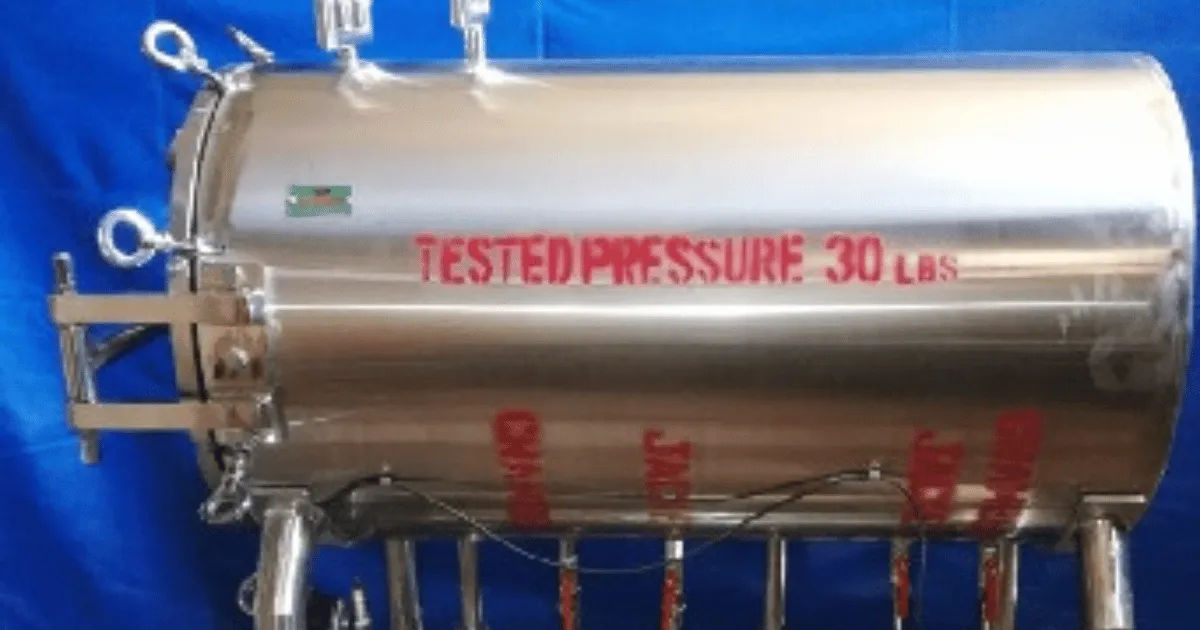
This price difference is not random; it depends on several important factors, including capacity, features, technology, material quality, brand reputation, and intended usage.Autoclaves are essential sterilization machines used in hospitals, laboratories, dental clinics, research centers, and other healthcare facilities.
They use high-pressure steam to eliminate bacteria, viruses, fungi, and other harmful microorganisms from medical instruments and laboratory materials. Since different organizations have different sterilization requirements, manufacturers produce various models with different specifications.
Understanding why the cost changes between models helps buyers make better decisions and choose an autoclave that matches their needs and budget.
The Purpose of an Autoclave
An autoclave is a sterilization device that works by combining high temperature and pressure. The machine heats water to create steam, which enters a sealed chamber containing equipment that needs sterilization.
The steam pressure allows the temperature to rise above normal boiling point, making it effective against microorganisms that cannot be removed through regular cleaning methods.
Autoclaves are commonly used in:
- Hospitals and operation theaters
- Dental clinics
- Medical laboratories
- Universities and research facilities
- Pharmaceutical industries
- Veterinary clinics
- Beauty and cosmetic clinics
Because these industries have different requirements, autoclave models vary in size, performance, and technology. These differences directly influence the overall cost.
Main Factors That Influence Autoclave Price in Pakistan
The autoclave price in pakistan depends on multiple factors. A small clinic may require a basic tabletop model, while a large hospital may need a high-capacity automatic sterilization system.
Understanding these factors makes it easier to compare different models.
Capacity and Chamber Size
One of the biggest factors affecting autoclave cost is its capacity.
Small autoclaves are designed for facilities that sterilize limited amounts of equipment. Dental clinics and small laboratories often prefer compact tabletop models because they require less space and consume less power.
Larger hospitals and research facilities usually need machines with bigger chambers. These autoclaves can sterilize more instruments at once, reducing the time required for multiple sterilization cycles.
A larger chamber requires:
- More manufacturing material
- Stronger pressure-resistant construction
- More powerful heating systems
- Advanced safety mechanisms
As a result, larger models generally have a higher price compared to smaller units.
Manual vs Automatic Autoclave Models
Another major factor is the level of automation.
Manual autoclaves require users to control different settings, such as temperature, pressure, and sterilization time. These models are usually simpler and more affordable.
Automatic autoclaves provide more convenience by controlling the sterilization process automatically. They may include digital displays, preset programs, automatic pressure release, and error detection systems.
Automatic models reduce human mistakes and improve consistency, making them popular in professional healthcare environments.
Although automatic units usually have a higher initial cost, they can save time and improve operational efficiency in the long run.
Quality of Materials Used in Construction
The materials used in an autoclave greatly affect its durability and performance.
High-quality autoclaves often use stainless steel chambers because stainless steel provides:
- Better corrosion resistance
- Longer equipment life
- Improved hygiene
- Better resistance to high temperatures and pressure
Lower-cost models may use materials that are less durable or have fewer protective features. While they may appear attractive because of a lower purchase price, maintenance costs can become higher over time.
A reliable autoclave is an investment, especially for facilities where regular sterilization is required.
Brand Reputation and Manufacturing Standards
The manufacturer’s reputation also affects pricing.
Established brands often invest heavily in:
- Research and development
- Quality testing
- Safety certifications
- Product improvements
- Customer support
These companies usually provide better reliability and after-sales services, which can increase the product price.
Less-known brands may offer cheaper alternatives, but buyers should carefully evaluate product quality, warranty coverage, spare parts availability, and technical support before purchasing.
Technology and Advanced Features
Modern autoclaves include advanced features that improve safety and usability. These features can increase the overall cost.
Some advanced features include:
Digital Control Systems
Digital panels allow users to monitor temperature, pressure, and cycle progress easily. They provide accurate readings and reduce operational errors.
Multiple Sterilization Programs
High-end models may offer different programs for various materials, including:
- Metal instruments
- Glass items
- Textile materials
- Laboratory equipment
These programs provide flexibility for different applications.
Safety Features
Advanced safety systems may include:
- Automatic door locking
- Pressure monitoring
- Emergency release protection
- Temperature control systems
- Alarm notifications
These features are especially important in medical environments where safety is a priority.
Medical Grade vs Basic Laboratory Autoclaves
Autoclaves are designed according to their intended use.
Medical-grade autoclaves generally require stricter quality standards because they are used for sterilizing surgical instruments and healthcare equipment.
They often include:
- Higher temperature accuracy
- Better pressure control
- More reliable performance
- Stronger safety systems
Basic laboratory autoclaves may have simpler designs because they are used for general sterilization purposes.
The difference in application affects the design, technology, and final cost of the equipment.
Energy Efficiency and Operating Costs
The purchase price is not the only expense buyers should consider. Operating costs also matter.
Some modern autoclaves are designed to consume less:
- Electricity
- Water
- Maintenance resources
Energy-efficient models may have a higher upfront cost but can reduce expenses over years of operation.
Facilities that use autoclaves frequently should consider long-term savings rather than focusing only on the initial purchase price.
Imported vs Local Autoclave Models
The origin of the machine can also influence the price.
Imported autoclaves may have higher costs because of:
- International shipping charges
- Import taxes
- Currency exchange rates
- Brand value
Many imported models offer advanced technology and international certifications.
Local models may be more affordable because they avoid some import-related expenses. However, buyers should check manufacturing quality, availability of spare parts, and technical support.
The best choice depends on the buyer’s requirements rather than simply choosing the cheapest option.
Why Different Buyers Need Different Autoclave Models
Not every organization needs the same type of sterilization equipment.
A small dental clinic may only need a compact tabletop autoclave for daily instrument sterilization.
A large hospital may require a high-capacity automatic model capable of handling large workloads.
A research laboratory may need specialized features for sterilizing different materials.
Because each user has different needs, manufacturers create multiple models with different specifications and prices.
How to Choose the Right Autoclave Model
Choosing the right autoclave requires careful evaluation.
Identify Your Usage Requirements
Before purchasing, consider:
- How frequently the autoclave will be used
- The number of instruments requiring sterilization
- Available workspace
- Required sterilization standards
A small facility does not always need the most expensive model.
Compare Features Instead of Only Price
A lower price does not always mean better value.
Buyers should compare:
- Chamber capacity
- Automation level
- Safety features
- Warranty
- Maintenance support
- Energy consumption
A slightly more expensive model may provide better reliability and lower long-term costs.
Consider After-Sales Support
Maintenance is important for medical equipment.
Before buying, check whether the supplier provides:
- Installation support
- Repair services
- Spare parts availability
- Technical assistance
Good customer support helps prevent long equipment downtime.
Common Mistakes Buyers Make When Purchasing an Autoclave
Many buyers focus only on the purchase cost and ignore other important factors.
Some common mistakes include:
Choosing Based Only on Low Price
The cheapest model may not always provide the durability and performance required for professional use.
Ignoring Capacity Requirements
Buying a model that is too small can create delays because multiple sterilization cycles may be needed.
Not Checking Safety Standards
Safety should always be a priority because autoclaves operate under high temperature and pressure.
Forgetting Maintenance Costs
Regular maintenance is necessary to keep the machine working properly. Buyers should consider long-term expenses before making a decision.
Future Trends in Autoclave Technology
Autoclave technology continues to improve as healthcare facilities demand safer and more efficient sterilization solutions.
Future models are expected to include:
- Smarter digital monitoring systems
- Improved energy efficiency
- Automated maintenance alerts
- Better user interfaces
- Remote monitoring capabilities
These improvements may influence future pricing as manufacturers introduce more advanced solutions.
Importance of Investing in a Reliable Autoclave
An autoclave is not just a machine; it is an important part of infection control and safety procedures.
A reliable model ensures that medical and laboratory instruments are properly sterilized, reducing the risk of contamination.
Although advanced models may require a higher investment, they often provide better performance, longer service life, and improved safety.
Organizations should consider their operational needs and choose equipment that delivers consistent results.
Conclusion
The variation in autoclave price in pakistan happens because different models are designed for different purposes and users. Factors such as chamber size, automation level, construction quality, technology, brand reputation, and safety features all contribute to price differences.
A basic autoclave may be suitable for small clinics with limited sterilization needs, while hospitals and research centers may require advanced systems with higher capacity and automated functions.
When selecting an autoclave, buyers should focus on value rather than simply choosing the lowest-priced option. Evaluating quality, durability, maintenance support, and long-term operating costs helps ensure a better investment.
By understanding the factors behind model differences, healthcare professionals and laboratory managers can make informed decisions and select an autoclave that meets their specific requirements effectively.