
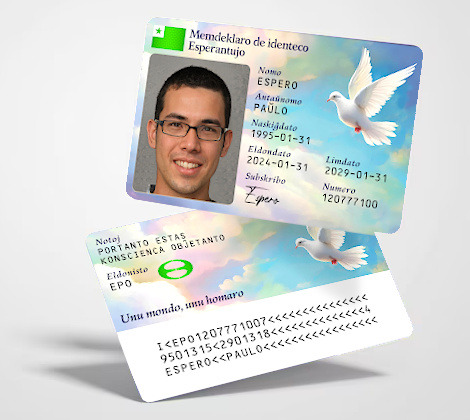
Digital identity has become an essential part of modern online life. People use digital accounts and credentials to access services, communicate with organizations, and establish information about themselves. As these activities continue to grow, there is increasing interest in identity models that provide individuals with greater control over their personal information. Memdeklaro can be explored within this wider discussion of self-sovereign identity and user-controlled digital identity.
What Is Self-Sovereign Identity?
Self-sovereign identity, commonly known as SSI, is an approach to digital identity that emphasizes individual control. Instead of depending completely on a centralized organization to manage identity information, users can have a more active role in holding, managing, and presenting their credentials.
The concept is based on principles such as autonomy, privacy, consent, portability, and security. Ideally, users should be able to decide what information they share and with whom, depending on the requirements of a particular interaction.
Understanding Memdeklaro
Memdeklaro can be considered in the context of self-declared identity and personal digital representation. The concept highlights the ability of individuals to communicate information about themselves rather than having their identity defined entirely by external platforms.
This perspective is relevant in a world where people maintain multiple digital profiles. A user-centered identity model can encourage individuals to understand what information represents them online and how that information is shared.
How SSI Can Work
A self-sovereign identity ecosystem can involve digital wallets, identifiers, credentials, and verification technologies. For example, an organization may issue a digital credential to an individual. The individual can then store that credential and present it to another service when verification is required.
This process can reduce the need to repeatedly submit the same information. Depending on the implementation, users may also be able to share only the information necessary for a specific purpose.
Privacy and Control
Privacy is one of the central ideas behind self-sovereign identity. Users can potentially have greater control over their personal information and make more informed decisions about what they disclose.
However, SSI does not automatically eliminate privacy or security risks. Users must still protect their digital wallets, credentials, authentication methods, and recovery information. Organizations also need responsible policies for handling identity-related data.
Benefits of Self-Sovereign Identity
SSI can provide several potential benefits. User control is a major advantage because individuals can have a stronger role in managing their credentials.
Portability is another important feature. In compatible ecosystems, credentials may be usable across different services instead of being permanently tied to one platform.
Organizations can also benefit from more efficient verification processes. Digital credentials may reduce repetitive administrative tasks while making certain verification activities easier to manage.
Challenges to Consider
Self-sovereign identity also presents challenges. Interoperability is important because different identity systems need to communicate effectively. Security must also be carefully designed, particularly when individuals are responsible for managing their own credentials.
Usability is another consideration. Identity technologies can become difficult for newcomers if terminology and processes are overly technical. Simple interfaces and clear explanations will therefore be important for wider adoption.
The Future of Digital Identity
As digital services continue to expand, self-sovereign identity may play a larger role in discussions about privacy and user control. Open standards, decentralized technologies, and digital credentials could support new ways of managing identity across online environments.
Within this evolving landscape, Memdeklaro can be explored as part of the broader conversation surrounding self-declared and user-controlled identity.
Conclusion
Self-sovereign identity and Memdeklaro represent ideas connected with a more user-centered approach to digital verifiable credentials . SSI emphasizes individual control, privacy-conscious information sharing, portability, and secure credential management.
While challenges involving interoperability, security, regulation, and usability remain, continued innovation could make digital identity systems more flexible and empowering. Understanding these concepts can help users better appreciate how identity management may develop in the future.