
Finding the right person to coordinate a construction project can make a major difference in how smoothly the work progresses. A project may involve electricians, plumbers, carpenters, painters, roofers, concrete crews, flooring specialists, and many other trades.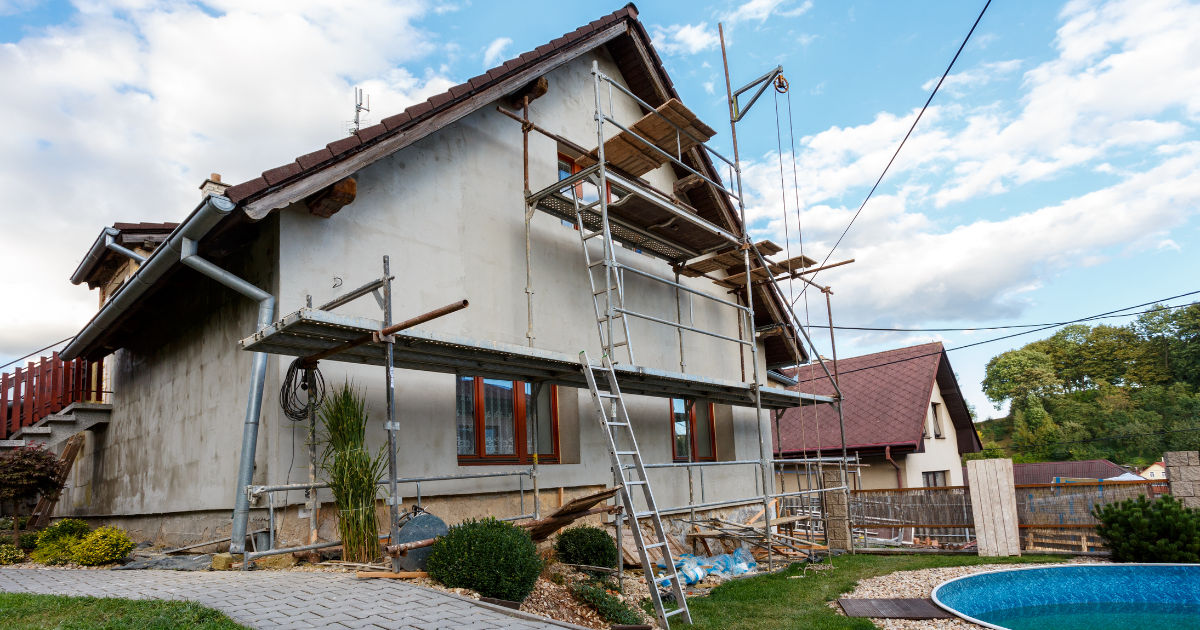
When several subcontractors are working on the same property, someone needs to organize their schedules, check the quality of their work, handle communication, and make sure one trade does not interfere with another.
This is one of the main responsibilities of a general contractor. If you search for a General contractor near me, you are often looking for more than someone who can arrange construction work.
You are looking for a professional who can take responsibility for coordinating different parts of the project and keeping subcontractors working toward the same goal.
What Does a General Contractor Do?
A general contractor acts as the central coordinator for a construction project. Instead of the property owner communicating separately with every trade, the contractor generally manages the different professionals involved.
The exact responsibilities can vary depending on the project, contract, location, and type of construction. However, subcontractor management is one of the most important parts of the job.
A general contractor may hire or coordinate subcontractors, create schedules, review completed work, arrange materials, communicate project requirements, and address problems that occur during construction.
For a homeowner, this can simplify the entire process. Rather than calling five or ten different companies when something goes wrong, the homeowner can usually communicate with the main contractor responsible for managing the project.
Can a General Contractor Manage Subcontractors?
Yes. Managing subcontractors is a standard responsibility of many general contractors.
A general contractor does not necessarily perform every construction task personally. Instead, they often rely on qualified subcontractors for specialized work.
For example, a residential remodeling project might require a demolition crew, electrician, plumber, drywall installer, flooring contractor, painter, and cabinet installer. The general contractor coordinates these trades so the project moves in the correct sequence.
A contractor searching for or being found through a General contractor near me query can potentially provide this coordination, depending on the services offered and the terms of the contract.
The contractor's role is not simply to tell subcontractors when to arrive. Effective management involves planning, communication, supervision, quality control, scheduling, problem-solving, and documentation.
How General Contractors Manage Subcontractors
Managing subcontractors requires more organization than simply making phone calls. Every trade depends on other work being completed correctly and on time.
A general contractor usually manages subcontractors through several important steps.
Selecting Qualified Subcontractors
The process begins with choosing suitable subcontractors.
A good general contractor considers the subcontractor's experience, qualifications, previous work, reliability, availability, insurance, licensing requirements, and ability to meet the project's standards.
The cheapest subcontractor is not always the best choice.
An inexperienced subcontractor may create mistakes that cost more to correct than the money initially saved.
For this reason, experienced contractors often develop relationships with reliable tradespeople they have worked with previously.
Establishing Clear Expectations
Subcontractors need to know exactly what they are expected to do.
The general contractor may provide drawings, specifications, measurements, schedules, material requirements, and other project information.
Clear expectations reduce misunderstandings.
For example, if a flooring installer does not know the exact flooring material or installation pattern, the work could be completed incorrectly. Fixing the mistake later may delay several other trades.
A professional contractor tries to identify these issues before work begins.
Creating a Construction Schedule
Scheduling is one of the most important parts of subcontractor management.
Construction tasks usually have dependencies. A plumber may need to complete rough-in work before walls are closed. An electrician may need to install wiring before drywall is installed. Painting may need to happen after certain dusty construction activities are finished.
The general contractor creates a sequence that allows these tasks to happen efficiently.
If one subcontractor is late, the contractor may need to adjust the schedule for several other crews.
This is why a General contractor near me can be valuable when a project involves multiple trades. Local availability can make communication and site coordination easier, although location alone should never be the only factor used to select a contractor.
Why Scheduling Subcontractors Is Difficult
Construction schedules rarely remain completely unchanged.
Materials may arrive late. Weather can affect outdoor work. Inspections may need to be rescheduled. A subcontractor may become unavailable. Unexpected structural problems may appear after walls or floors are opened.
A general contractor must respond to these changes without allowing the entire project to become disorganized.
This requires experience and flexibility.
For example, if a plumber cannot complete work on Tuesday, the contractor may decide to move another suitable task forward rather than allowing the crew to sit idle. Good scheduling can protect both time and money.
Coordinating Different Trades
Subcontractors specialize in different areas, but their work often overlaps.
An electrician may need access to an area where another subcontractor is working. A plumber may need to install pipes through a wall that another crew plans to close. A drywall installer may depend on several trades finishing behind the walls.
The general contractor coordinates these activities.
This coordination helps prevent conflicts and unnecessary rework.
Without proper management, two subcontractors could arrive at the same time and discover that they cannot work efficiently in the same area.
Inspecting Subcontractor Work
General contractors also commonly monitor the quality of subcontractor work.
This does not mean the contractor personally performs every specialized inspection required by law. Certain projects may require inspections by authorized building officials or licensed professionals.
However, the general contractor can review the work to determine whether it appears to meet the project's plans, specifications, and agreed standards.
If a problem is discovered, the contractor can communicate with the subcontractor and request corrections.
This provides another layer of oversight for the property owner.
Handling Subcontractor Mistakes
Mistakes can happen on construction projects.
A subcontractor may install something incorrectly, damage another component, misunderstand a drawing, or fail to meet the agreed specifications.
The general contractor's job is often to identify the issue, communicate with the subcontractor, determine the appropriate correction, and keep the project moving.
A strong contractor does not simply ignore a problem because the work was performed by another company.
The contractor should understand the responsibilities established by the contract and address problems accordingly.
This is one reason homeowners should carefully review agreements before hiring a General contractor near me. The contract should make responsibilities and expectations clear.
Managing Payments to Subcontractors
Subcontractor payment is another important management responsibility.
Depending on the project and contract structure, the general contractor may collect payments from the property owner and then pay subcontractors after specific work or milestones are completed.
Payment procedures should be clearly documented.
A professional contractor keeps appropriate records of invoices, completed work, materials, and payments.
Property owners should also understand how payment arrangements work before construction begins.
Clear financial communication can prevent disputes later.
Communication Between the Owner and Subcontractors
The general contractor often acts as the communication bridge between the property owner and subcontractors.
This can be particularly useful when the owner does not have construction experience.
Instead of the homeowner explaining technical requirements to every trade, the general contractor can communicate the project's requirements directly.
For example, if the homeowner changes a bathroom layout, the contractor can determine how that change affects plumbing, electrical work, drywall, flooring, and other tasks.
This prevents each subcontractor from receiving incomplete or conflicting instructions.
Managing Materials and Deliveries
Subcontractor coordination also involves materials.
A crew may be ready to work but unable to start because the necessary materials have not arrived.
A general contractor may coordinate material orders and deliveries to ensure that supplies are available when needed.
Storage is also important.
Construction materials should be protected from damage, theft, moisture, and unnecessary movement when appropriate.
Good material management reduces interruptions and helps subcontractors work efficiently.
What Happens When a Subcontractor Is Delayed?
Delays are among the most common challenges in construction.
If a subcontractor misses a scheduled date, the general contractor may need to determine whether another activity can happen instead.
Sometimes the contractor can move another crew into the space. In other situations, the delay affects the entire sequence of work.
The key is communication.
The general contractor should communicate significant delays to the property owner and explain how the schedule will be adjusted.
Trying to hide delays usually creates more problems than the delay itself.
Can a General Contractor Replace a Subcontractor?
In many situations, a general contractor can replace a subcontractor who fails to perform according to the agreement, but the exact rights and procedures depend on the contract and applicable laws.
A contractor may first give the subcontractor an opportunity to correct defective work or address performance problems.
If the situation cannot be resolved, the contractor may use contractual procedures to terminate the subcontractor and bring in another qualified company.
This can protect the overall project, although replacing a subcontractor can also cause additional costs and delays.
How Technology Helps Manage Subcontractors
Modern contractors increasingly use digital tools to manage construction projects.
Scheduling software can help contractors track deadlines and assignments. Project management platforms can organize documents, drawings, photographs, messages, and change orders.
Mobile communication can also make it easier for contractors to communicate with crews while working on site.
For a General contractor near me, technology can make local project coordination more efficient because information can be shared quickly between the office, jobsite, subcontractors, and property owner.
However, technology is only a tool.
Good project management still depends on experience, judgment, communication, and accountability.
What Should Homeowners Ask a General Contractor?
Before hiring a contractor, homeowners should ask how subcontractors are selected and managed.
Useful questions include:
Who Will Perform the Work?
Ask whether the contractor uses regular subcontractors, independent tradespeople, or a combination of both.
Knowing who will actually perform the work can make the process more transparent.
Who Supervises the Subcontractors?
The homeowner should understand who will be responsible for day-to-day coordination.
Some companies have project managers or site supervisors, while smaller contractors may personally supervise the work.
How Are Delays Handled?
Ask what happens if a subcontractor becomes unavailable or materials are delayed.
The answer can reveal how prepared the contractor is for common construction problems.
How Is Quality Checked?
A good contractor should have a clear process for reviewing subcontractor work.
Ask how defects are identified and corrected before the project moves to the next stage.
How Are Changes Handled?
Construction changes happen frequently.
The contract should explain how additional work, material changes, and price adjustments are approved.
Homeowners should avoid relying on verbal promises for significant changes.
Benefits of Having One Contractor Manage Multiple Trades
There are several advantages to having one contractor coordinate subcontractors.
The first is convenience.
The property owner has one primary point of contact rather than managing every trade individually.
The second is better scheduling.
An experienced contractor understands how different construction activities depend on one another.
The third is accountability.
When several trades are involved, it can become difficult to determine who is responsible for a problem. A general contractor can help coordinate the appropriate response.
The fourth is communication.
A contractor can communicate project changes across multiple trades and reduce conflicting instructions.
These benefits explain why many homeowners search for a General contractor near me instead of hiring every subcontractor separately.
When Directly Hiring Subcontractors May Make Sense
Not every project requires a general contractor.
A small job involving one specialized trade may be simple enough for a homeowner to hire that professional directly.
For example, a homeowner might hire a painter for a straightforward room repainting project.
However, larger projects become more complicated when several trades are involved.
If a renovation requires demolition, plumbing, electrical, framing, drywall, flooring, cabinetry, and painting, coordinating everything independently can become a full-time responsibility.
In that situation, professional project management may provide substantial value.
How to Choose the Right General Contractor
When evaluating a General contractor near me, do not focus only on proximity.
Look at experience, references, communication, contract terms, insurance, licensing requirements, project history, and the contractor's approach to subcontractor management.
Ask for examples of similar projects.
Pay attention to how clearly the contractor answers questions.
A contractor who avoids discussing schedules, subcontractors, payment arrangements, or responsibilities may not be the best choice.
It is also useful to compare multiple written estimates.
The lowest price is not automatically the best value. A slightly higher price may reflect better planning, more reliable subcontractors, stronger supervision, or higher-quality materials.
Red Flags to Watch For
Homeowners should be cautious if a contractor refuses to provide a written agreement.
Another warning sign is an unusually low estimate that leaves out important details.
Poor communication before the project starts can also become a bigger problem after construction begins.
Be cautious if the contractor cannot explain who will perform specialized work or how subcontractors will be supervised.
Another concern is pressure to make large payments without clear documentation.
A professional construction relationship should be based on clear expectations and mutual understanding.
Why Local Experience Can Matter
Searching for a General contractor near me can be useful because local contractors may understand regional construction practices, suppliers, permitting procedures, weather conditions, and common building requirements.
Local experience can also make it easier to coordinate site visits and respond to problems.
However, homeowners should still verify the contractor's qualifications rather than assuming that a nearby company is automatically reliable.
Distance can be a factor, but competence and professionalism matter more.
The Difference Between Coordination and Micromanagement
Good subcontractor management does not mean constantly standing over workers.
Experienced contractors give skilled tradespeople clear requirements while allowing them to perform specialized work according to accepted practices.
The contractor's role is to establish expectations, monitor progress, resolve conflicts, and verify that the work aligns with the project requirements.
Micromanagement can actually slow a project down.
Effective management is more about accountability and coordination than controlling every movement of a worker.
What Makes Subcontractor Management Successful?
Successful subcontractor management usually comes down to several basic principles.
Communication must be clear.
Schedules must be realistic.
Responsibilities must be documented.
Quality should be monitored throughout the project rather than only at the end.
Problems should be addressed quickly.
Changes should be documented.
Payments should follow agreed procedures.
Most importantly, the general contractor must take responsibility for coordinating the overall project rather than leaving the homeowner to solve every conflict.
Conclusion
Yes, a general contractor can manage subcontractors, and for many construction and remodeling projects, this is one of the contractor's most valuable responsibilities. Instead of expecting the property owner to coordinate electricians, plumbers, carpenters, painters, flooring installers, and other specialists independently, the general contractor can bring these different trades together under one coordinated project plan.
The contractor typically helps select qualified subcontractors, establish expectations, organize schedules, coordinate materials, monitor progress, review workmanship, manage changes, and address delays. When problems occur, the contractor can communicate with the appropriate trade and work toward a practical solution.
Choosing a General contractor near me can therefore provide significant convenience when a project involves multiple construction disciplines. However, homeowners should not choose a contractor solely because the company is nearby. Experience, reputation, communication, contract terms, insurance, qualifications, project management practices, and subcontractor relationships should all be considered.
The best contractor is not necessarily the one offering the lowest estimate. It is the one that can explain how the project will be organized, who will perform the work, how subcontractors will be supervised, how changes will be handled, and how quality and schedules will be managed.
When subcontractors are properly coordinated, construction becomes easier to control. Each trade understands when it needs to work, what must be completed beforehand, and how its work affects the next stage. That coordination can reduce confusion, prevent unnecessary rework, improve communication, and help the project move toward completion more efficiently.
For homeowners planning a complex renovation or construction project, professional subcontractor management can be one of the strongest reasons to work with an experienced general contractor. With the right person overseeing the project, the homeowner can spend less time chasing individual trades and more time focusing on the finished result.