
A Gambrel Roof Calculator is one of the most useful tools for homeowners, builders, architects, and DIY enthusiasts planning a gambrel roof project.
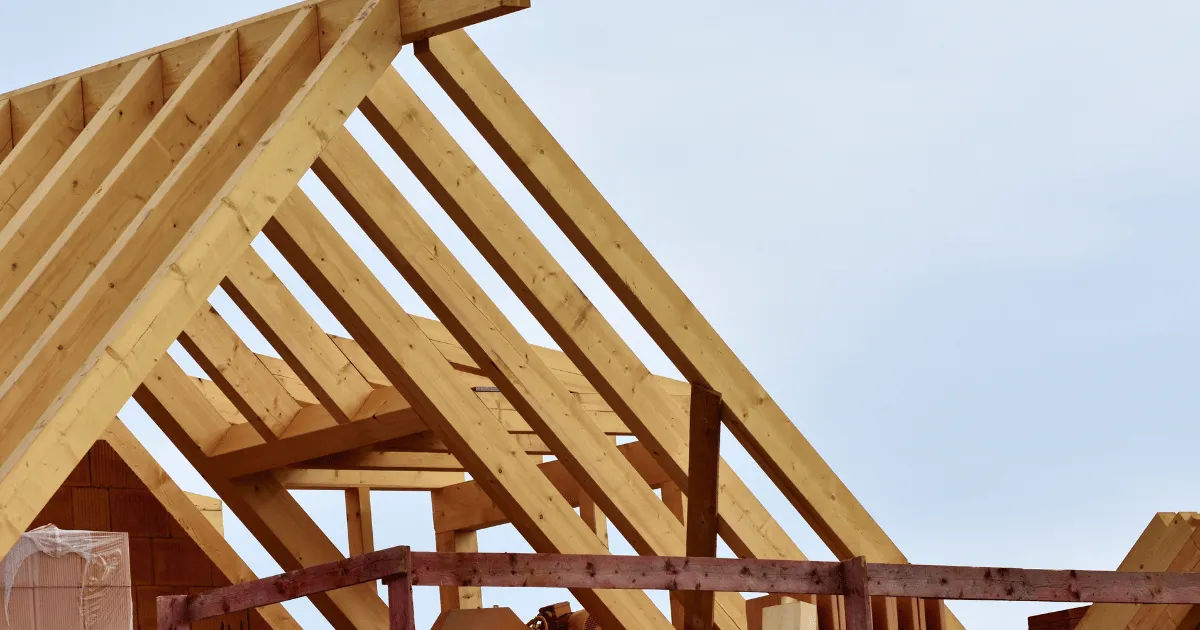
Whether you are designing a barn, shed, garage, workshop, or even a modern home, a Gambrel Roof Calculator helps determine accurate roof dimensions without relying on complicated manual calculations. Instead of spending hours working with geometry and construction formulas, you can enter a few measurements and receive detailed results within seconds.
Understanding how this calculator finds dimensions can help you make better building decisions, reduce waste, estimate material costs, and improve construction accuracy. This guide explains everything you need to know in simple language, making it easy for beginners and experienced builders alike.
What Is a Gambrel Roof?
A gambrel roof is a roof style with two slopes on each side. The lower slope is much steeper than the upper slope. This design creates additional space beneath the roof, making it ideal for lofts, storage areas, or extra living space.
The gambrel roof is commonly found on:
-
Barns
-
Farmhouses
-
Garages
-
Storage sheds
-
Workshops
-
Cabins
-
Traditional homes
Its unique shape provides more usable interior space than many standard roof designs.
What Is a Gambrel Roof Calculator?
A Gambrel Roof Calculator is a digital tool that calculates the measurements needed to build a gambrel roof. Instead of manually solving complex geometric equations, users simply enter project details such as building width, roof height, or roof pitch.
The calculator then determines important dimensions including:
-
Length of upper rafters
-
Length of lower rafters
-
Roof angles
-
Ridge height
-
Overall roof surface area
-
Roof slope measurements
-
Material estimates
These calculations help ensure the roof is properly designed before construction begins.
Why Accurate Roof Dimensions Matter
Every roofing project depends on accurate measurements.
Incorrect dimensions may result in:
-
Wasted materials
-
Increased costs
-
Poor structural support
-
Roofing installation problems
-
Uneven roof appearance
-
Water drainage issues
Using accurate calculations helps prevent expensive mistakes and improves construction quality.
How a Gambrel Roof Calculator Works
A Gambrel Roof Calculator uses geometry and construction formulas to calculate every part of the roof. The software performs hundreds of mathematical operations almost instantly after receiving your measurements.
The process is simple for users because the calculator handles the difficult calculations automatically.
Step 1: Enter Building Width
The first measurement is usually the building width.
This is the distance from one outside wall to the opposite outside wall.
The width affects:
-
Roof span
-
Rafter length
-
Roof angle
-
Ridge location
Even a small measurement error can change the entire roof design.
Step 2: Enter Building Length
The building length determines how much roofing material is required.
The calculator uses this measurement to estimate:
-
Roof surface area
-
Number of roofing panels
-
Underlayment
-
Sheathing
-
Shingles or metal roofing
Longer buildings naturally require more materials.
Step 3: Specify Roof Height
Roof height refers to the vertical distance from the wall plate to the roof ridge.
A taller roof creates:
-
More attic space
-
Better ventilation
-
Greater storage capacity
-
Improved appearance
The calculator adjusts all dimensions according to the selected height.
Step 4: Select Roof Pitch
Unlike a standard roof, a gambrel roof has two different pitches.
These include:
-
Upper roof pitch
-
Lower roof pitch
The lower section is steeper while the upper section has a gentler angle.
The calculator combines both pitches to create the complete roof profile.
Step 5: Calculate Rafter Lengths
One of the most valuable features of a Gambrel Roof Calculator is determining rafter lengths.
It calculates:
-
Upper rafters
-
Lower rafters
-
Ridge connections
-
Joint locations
Builders use these measurements when cutting lumber accurately.
How Geometry Is Used
Every gambrel roof consists of triangles.
The calculator applies geometric formulas to determine:
-
Side lengths
-
Angles
-
Roof rise
-
Roof run
-
Ridge location
Using trigonometry allows precise measurements that would otherwise require significant manual work.
Understanding Roof Rise and Roof Run
Rise and run are basic roofing measurements.
Roof Rise
Rise is the vertical height of the roof.
It measures how much the roof climbs upward.
Roof Run
Run is the horizontal distance covered by the roof.
Together, rise and run determine the roof pitch.
The calculator uses these values to calculate every roof angle.
Finding Roof Angles
Every gambrel roof contains several angles.
The calculator determines:
-
Lower slope angle
-
Upper slope angle
-
Ridge angle
-
Connection angles
These measurements are critical when cutting rafters and assembling the roof frame.
Calculating Roof Surface Area
Roof surface area is essential for purchasing materials.
The calculator estimates:
-
Roofing sheets
-
Shingles
-
Metal panels
-
Waterproof membrane
-
Underlayment
Knowing the exact area helps avoid buying too much or too little material.
Material Estimation
Besides dimensions, many calculators estimate construction materials.
These estimates may include:
-
Lumber
-
Plywood
-
Roof decking
-
Roofing felt
-
Nails
-
Fasteners
-
Ridge caps
Material estimates simplify project planning and budgeting.
Benefits of Using a Gambrel Roof Calculator
There are many reasons builders prefer digital calculators.
Saves Time
Manual calculations may take hours.
The calculator produces results in seconds.
Reduces Errors
Computer-generated measurements are more reliable than handwritten calculations.
Improves Accuracy
Precise dimensions help builders construct stronger roofs.
Better Budget Planning
Material estimates make it easier to prepare an accurate budget.
Easier Project Planning
Builders know exactly what materials and dimensions are needed before construction begins.
Common Inputs Required
Most calculators ask for several basic measurements.
These often include:
-
Building width
-
Building length
-
Roof height
-
Roof pitch
-
Overhang length
-
Ridge height
-
Wall height
The more accurate the inputs, the more reliable the final calculations.
Common Outputs Produced
After calculations are complete, users typically receive:
-
Total roof area
-
Upper rafter length
-
Lower rafter length
-
Roof angles
-
Ridge dimensions
-
Roof height
-
Material quantities
These outputs help builders move confidently into construction.
Why Builders Use Gambrel Roofs
Gambrel roofs remain popular because they offer several advantages.
More Interior Space
The steep lower slopes provide additional usable room.
Many homeowners convert this space into:
-
Bedrooms
-
Offices
-
Storage rooms
-
Playrooms
Attractive Design
The classic barn-style appearance remains timeless.
It adds character to both traditional and modern buildings.
Cost Efficiency
Although the roof shape appears complex, it often provides more usable space without requiring a full second story.
Mistakes to Avoid
Even with a calculator, users should avoid common mistakes.
Incorrect Measurements
Always measure carefully before entering dimensions.
Ignoring Building Codes
Local construction regulations should always be followed.
Forgetting Roof Overhang
Overhangs affect total roof size and material requirements.
Rounding Numbers Too Early
Use exact measurements whenever possible.
Small rounding errors can create noticeable construction problems.
Who Should Use a Gambrel Roof Calculator?
Many different people benefit from this tool.
These include:
-
Homeowners
-
Contractors
-
Architects
-
Engineers
-
Carpenters
-
DIY builders
-
Students studying construction
The calculator simplifies planning regardless of experience level.
Manual Calculation vs. Calculator
Manual calculations require:
-
Mathematical formulas
-
Trigonometry
-
Multiple measurements
-
Repeated checking
A calculator performs these tasks instantly while reducing the chance of mistakes.
Can Beginners Use One?
Yes.
Most online calculators are designed for beginners.
Users simply enter measurements into labeled boxes.
The software handles the mathematics automatically, making roof planning much easier for people with little construction experience.
Factors That Affect Roof Dimensions
Several variables influence the final calculations.
Building Width
A wider building requires longer rafters.
Roof Height
Higher roofs change slope angles and material requirements.
Roof Pitch
Steeper pitches increase roof area.
Overhang Length
Longer overhangs require additional roofing materials.
Structural Requirements
Some buildings require stronger framing depending on snow loads, wind conditions, and local regulations.
Tips for Getting Accurate Results
Follow these best practices before using any calculator.
-
Measure twice before entering values.
-
Use consistent units throughout the project.
-
Double-check every input.
-
Review local building codes.
-
Verify material recommendations.
-
Consult a professional for large construction projects.
These simple steps improve the reliability of every calculation.
When Should You Use a Gambrel Roof Calculator?
It is helpful during several stages of a project.
You can use it when:
-
Planning a new building
-
Designing a barn
-
Remodeling an existing roof
-
Building a garage
-
Constructing a shed
-
Estimating project costs
-
Comparing different roof designs
Early planning often leads to fewer construction problems later.
Conclusion
A Gambrel Roof Calculator is an essential planning tool for anyone building or designing a gambrel roof. It simplifies complicated geometry into easy-to-understand measurements, allowing builders to calculate roof dimensions with confidence. From determining rafter lengths and roof angles to estimating material quantities and total roof area, the calculator provides valuable information that saves time, reduces mistakes, and supports better budgeting.
Whether you are constructing a small backyard shed or a large agricultural barn, understanding how a Gambrel Roof Calculator finds dimensions gives you greater confidence throughout the planning process. Accurate measurements are the foundation of every successful roofing project, and using a reliable calculator helps ensure your design is safe, efficient, and cost-effective. By combining careful measurements with dependable calculation tools, you can complete your project more smoothly while minimizing waste and improving overall construction quality.