
CNC turning transforms raw material into precisely machined rotational parts. When done correctly, it is an efficient, optimized process. Here are key factors to consider for successful CNC Plastic Machining turning operations.
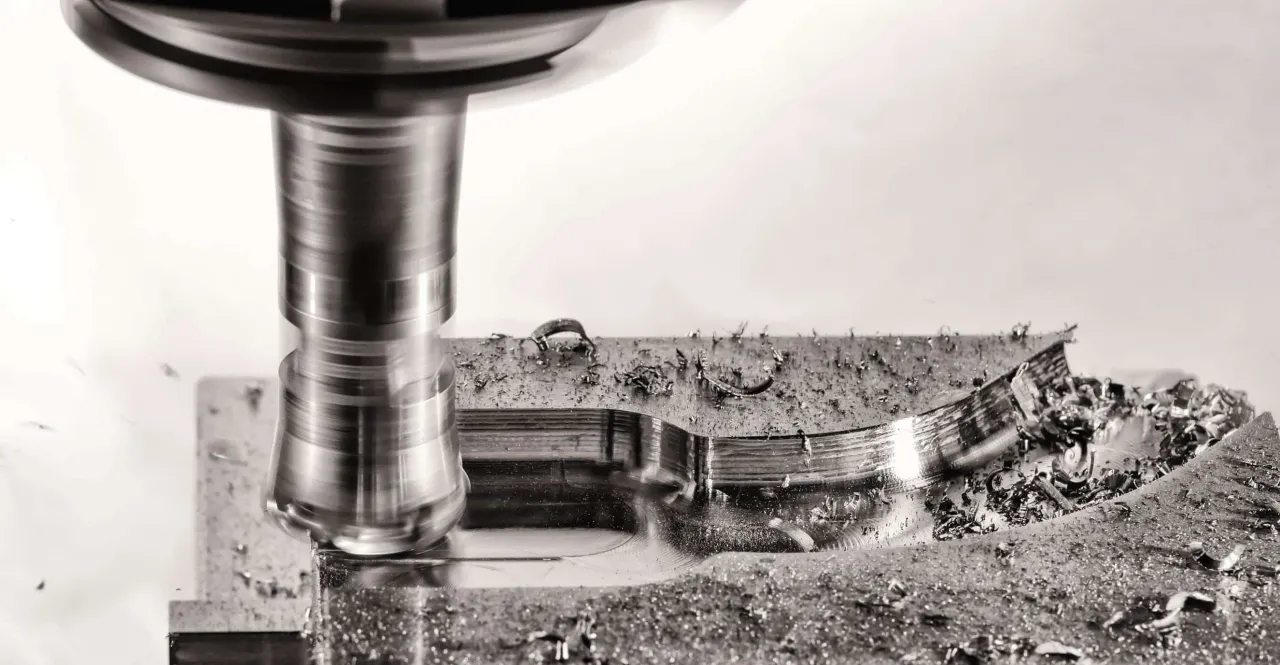
Machine Tool Capabilities
The CNC Plastic Machining lathe must have the appropriate capacity for the required work. Evaluate the machine based on:
- Swing over bed – Max part diameter
- Distance between centers – Max part length
- Horsepower – Needed for material removal rate
- Rapid traverse rates – For quick tool movements
Select machines that exceed the capacity needed for some margin.
Fixture Design
Properly fixturing the workpiece enables efficient material removal while minimizing vibration and deflection. Fixture factors include:
- Method of holding (chucks, centers, mandrels)
- Rigidity – Ability to resist cutting forces
- Accessibility – Tooling clearances
- Locating points – Accuracy and repeatability
Optimize fixtures for secure holding, vibration reduction, and chip evacuation.
Tooling Selection
Suitable cutting tools are essential for generating dimensionally accurate turned features. Tooling criteria:
- Material and coating – For tool life
- Rake angles – For cutting forces
- Nose radius – Finish requirements
- Insert geometries – Roughing vs finishing
Select tooling to balance machining performance, operating costs, and part quality.
Machining Process Optimization
Efficient machining begins with optimizing the cut logic including:
- Roughing versus finishing passes
- Depths of cut
- Cutting speeds and feeds
- Toolpaths
Proper cut logic reduces cycle times while maintaining dimensional accuracy, surface finish, and tool life.
Workholding Technique
The method of securing the workpiece impacts chatter-free cutting. Methods include:
- 3-jaw chucks – Universal holding
- Collets – Secure grip for small diameters
- Vacuum chucks – Distort fragile materials
- Mandrels – Internal gripping and support
Select the workholding best suited for the material, features, and operations.
Machine Programming
Efficient CNC Plastic Machining code is essential for productive turning. Use programming best practices like:
- G-code optimization
- Canned cycles
- Minimal tool changes
- Smart Z-axis moves
Well-written code reduces cycle times and unnecessary tool motions.
Inspection Processes
Rigorous inspection verifies turned part accuracy. Common checks include:
- Dimensions – Confirm tolerances met
- Surface finish – Validate process capability
- Deburring – Remove sharp edges
A thorough inspection ensures all specifications are fulfilled before shipment. By mastering these essential turning elements, manufacturers can deliver quality turned components tailored to application needs.