
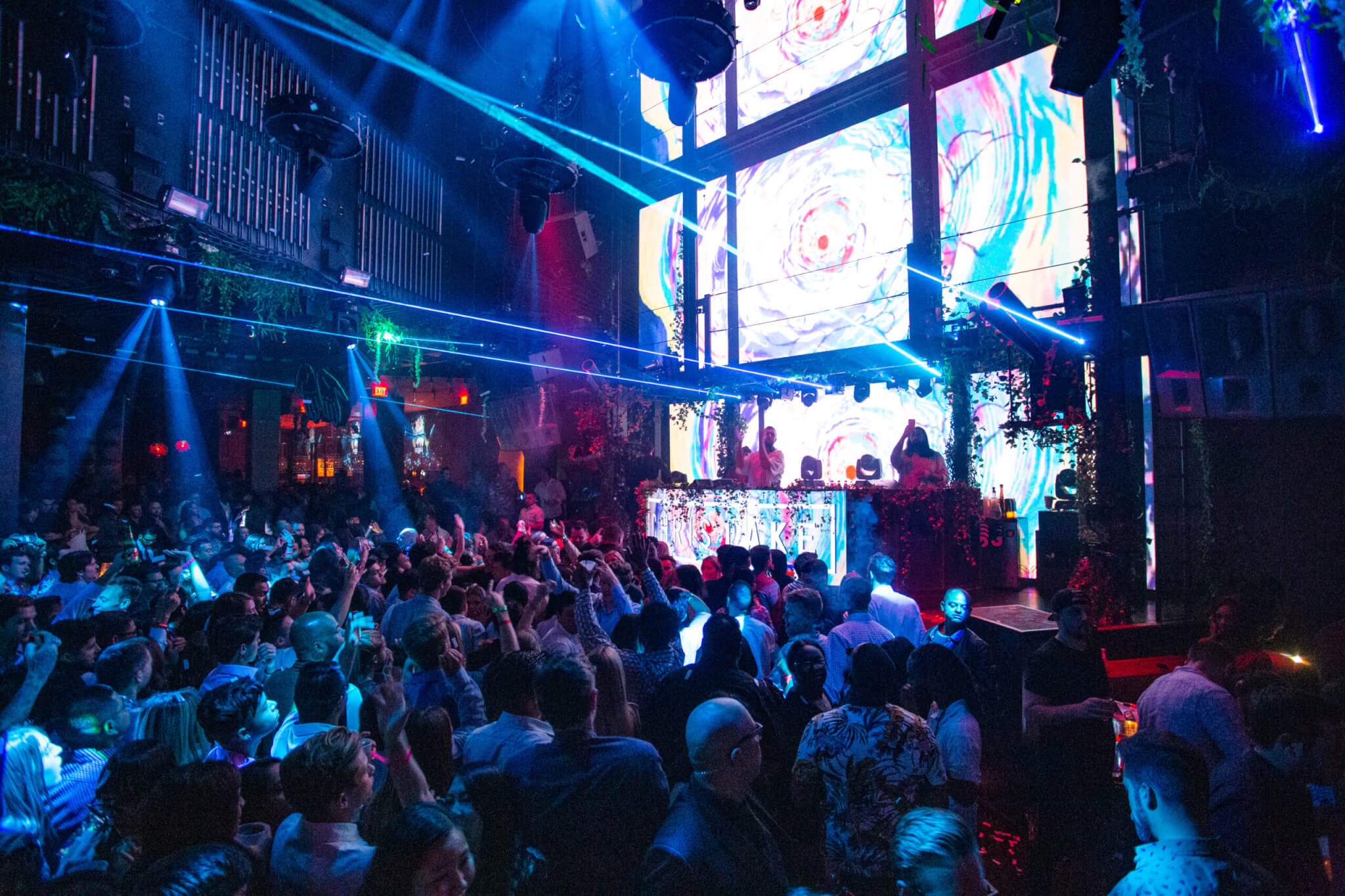
Clubs have long been a lively section of metropolitan lifestyle, offering as epicenters for audio, dance, cultural interaction, and entertainment. These establishments are a whole lot more than simply places to consume and party; they signify a unique social sensation where folks from diverse backgrounds get together to have energy, beat, and connection in the after-dark hours. From the sporting neon lights to the thumping bass that vibrates through a floor, clubs create an immersive setting that captivates the feelings and offers an escape from the day-to-day grind.
At their key, clubs are made to be social hubs, offering an environment where patrons may relax and express themselves freely. The atmosphere in just a team is carefully curated through illumination, music, and design to evoke a feeling of pleasure and exclusivity. The DJ frequently functions whilst the maestro, blending trails effortlessly to maintain the flow of energy and keep the party floor alive. The choice of music is important, because it sets the tone for the night and impacts the crowd’s mood. Whether it’s sporting electric dance audio, smooth house defeats, or high-energy hip-hop, the soundtrack of a nightclub is integrated to their identity.
The cultural part of nightclubs cannot be overstated. These venues give a special space where visitors become friends, and friendships are deepened. The communal experience of dance and celebrating together generates ties that transcend the ordinary. For most, a night at the membership is to be able to meet new persons, enjoy milestones, or simply appreciate a night out far from responsibilities. The inclusive character of numerous groups also reflects broader cultural trends, embracing selection in era, ethnicity, and sexual alignment, making them places of cultural phrase and acceptance.
In addition to being stores of activity, clubs have traditionally performed a function in the growth of music and dance trends. Several styles, such as disco, home, techno, and hip-hop, found their roots and audiences within nightclub walls before scattering into main-stream culture. DJs and artists often use these locations as screening reasons for new looks, models, and technologies. The innovation seen in clubs has inspired not just music but additionally fashion and social attitudes, creating them important cultural incubators.
The economics of clubs are complex and challenging. Managing a successful team needs balancing creative vision with company acumen. Place measurement, place, pricing, protection, and campaign all factor right into a club’s success. Several clubs work on slim edges and experience competition not merely from other groups but in addition from substitute leisure options. But, the ones that flourish handle to create a devoted clientele and an unique environment that keeps patrons returning evening after night.
Safety and regulation are becoming increasingly important in nightclub operations. With big crowds and liquor consumption, ensuring a secure environment is crucial. Several clubs now invest seriously in safety personnel, crowd management, and emergency protocols to protect their guests. Also, the rise of wellness problems, such as for example through the COVID-19 pandemic, has forced 부곡동 호박나이트클럽 s to conform by employing new health criteria and often reimagining the club experience altogether.
Finally, clubs tend to be more than just venues—they’re lively social ecosystems that reflect and shape modern culture. They give you a space where audio, fashion, party, and cultural interaction blend into a powerful connection with flexibility and community. Whether it is a local beloved or a world-famous hotspot, the appeal of the nightclub remains powerful, pulling people into its rhythmic grasp and promising a night to remember.