
Pakistani truck art is one of the most colourful and recognizable forms of traditional vehicle decoration in South Asia. It transforms ordinary trucks into moving works of art through bright colours, detailed paintings, decorative patterns, and handmade ornaments. Every decorated truck reflects creativity, cultural traditions, and the artistic skills of local craftsmen. However, the beauty of these vehicles comes from more than painting alone. 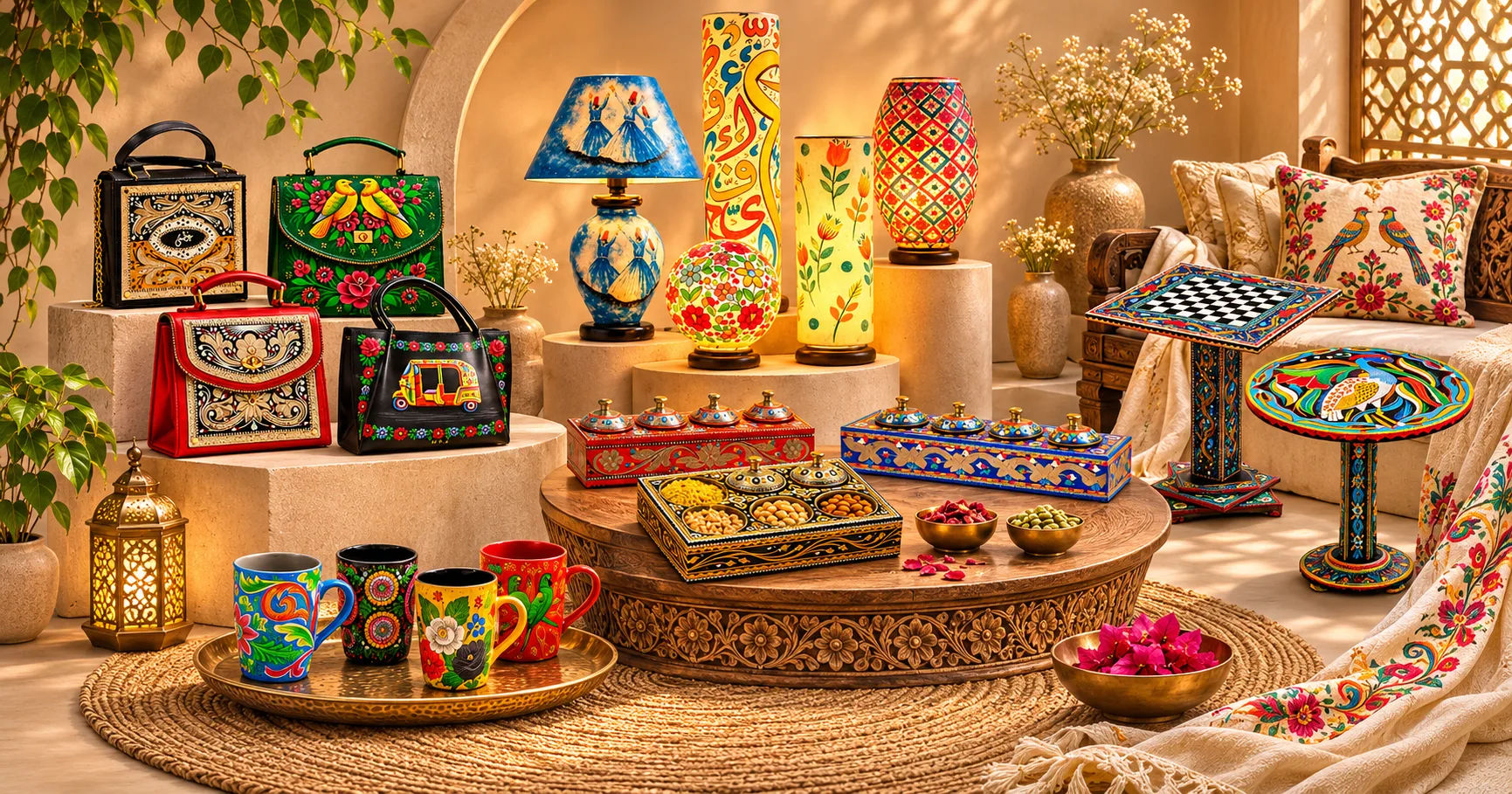 Different materials are carefully selected to create attractive designs that can withstand long journeys, changing weather, and everyday road conditions.
The materials used in pakistani truck art include paints, brushes, wooden panels, metal sheets, plastic decorations, colourful fabrics, mirrors, chains, and decorative lights. Each material has a particular purpose, whether it adds colour, protects a surface, creates texture, or gives the vehicle a distinctive appearance. Artists combine traditional techniques with modern materials to produce unique designs.
Understanding these materials helps explain how truck decoration has developed into an important part of Pakistan's cultural identity. From the first layer of paint to the smallest decorative detail, every element contributes to the final appearance. This guide explores the main materials, their uses, traditional techniques, and the importance of craftsmanship in creating these impressive vehicles.
1. Paints Used in Pakistani Truck Art
Paint is one of the most important materials used in pakistani truck art . It provides the bright colours, detailed illustrations, and decorative patterns that make these vehicles recognizable.
Artists use different types of paint depending on the surface, design, budget, and durability required.
Enamel Paint
Enamel paint is commonly used for decorating metal surfaces. It creates a smooth and attractive finish that can withstand ordinary outdoor conditions when properly applied.
Its glossy appearance makes bright colours stand out. Artists use it for flowers, borders, geometric patterns, and other decorative elements.
Enamel paint is also valued because it can provide a reasonably durable finish when applied to a properly prepared surface.
Acrylic Paint
Acrylic paint is another useful material for detailed artwork. It dries relatively quickly and is available in many colours.
Artists can use it to create complicated patterns, colourful illustrations, and fine decorative details.
It is especially helpful when different colours need to be applied in layers.
Automotive Paint
Automotive paint is designed for vehicle surfaces. It is used when artists want a professional finish that complements the original bodywork.
Depending on the paint system, it can provide good resistance to sunlight, moisture, and ordinary environmental exposure.
Spray Paint
Spray paint is useful for covering larger areas and creating smooth colour transitions.
Some decorators use it for backgrounds, decorative effects, and finishing work. It can also help artists complete certain sections more quickly than traditional brush painting.
2. Brushes and Painting Tools
Paint alone cannot create detailed truck artwork. Artists also need suitable brushes and other painting tools to produce accurate designs.
Different brushes are selected according to the size and complexity of the artwork.
Fine-Tipped Brushes
Fine-tipped brushes help artists create small details. They are useful for drawing flower petals, thin outlines, facial features, and decorative lines.
These brushes require careful handling because even small mistakes can affect the appearance of a complicated design.
Flat Brushes
Flat brushes are commonly used for covering wider areas with colour.
Artists use them for backgrounds, borders, and larger decorative shapes. Their flat edges also help create straight lines and consistent patterns.
Round Brushes
Round brushes are useful for curved lines, small circles, flower designs, and artistic details.
Their pointed tips allow painters to control the movement of paint more precisely.
Measuring and Drawing Tools
Rulers, pencils, chalk, and measuring tapes help artists plan their designs before painting.
These tools are especially important when decorating large truck panels because patterns must fit the available space.
3. Wooden Panels and Decorative Woodwork
Wood is another traditional material used in vehicle decoration. It allows craftsmen to create raised designs, carved ornaments, and decorative structures.
Wooden elements are often associated with traditional truck decoration because they provide a handcrafted appearance.
Carved Wooden Panels
Craftsmen use wooden panels to produce decorative shapes and carved patterns.
These panels may be placed around selected areas of the vehicle, depending on its design and construction.
Carving creates texture and depth that ordinary painting cannot always achieve.
Wooden Frames
Wooden frames can be used around certain decorative sections.
They help establish visual boundaries and provide a structured appearance to the overall design.
Wooden Ornaments
Small wooden ornaments can also be shaped into flowers, traditional patterns, and other decorative forms.
Once prepared, they may be painted or polished to match the surrounding artwork.
However, wood must be properly treated and protected against moisture, insects, and changing weather conditions.
4. Metal Sheets and Metal Decorations
Metal is particularly important because trucks are primarily constructed from metal components.
Artists and craftsmen use different metal pieces to create decorative features that are both attractive and suitable for vehicle construction.
Aluminium Sheets
Aluminium sheets are useful for lightweight decorative applications.
They can be shaped into different patterns and attached to suitable areas of a vehicle.
Aluminium is also valued for its resistance to corrosion compared with some untreated metals.
Stainless Steel
Stainless steel is used for decorative trims, polished fittings, and selected ornamental features.
Its reflective appearance creates an attractive contrast against colourful painted surfaces.
It is also useful because it offers good resistance to rust under normal conditions.
Metal Borders
Metal strips and decorative borders can create attractive outlines around panels, windows, and other sections.
They provide a finished appearance while complementing painted designs.
Metal Embellishments
Craftsmen sometimes use shaped metal pieces to create decorative patterns.
These elements can add a traditional handcrafted appearance and make certain parts of the vehicle visually distinctive.
All metal decorations must be securely fitted and positioned so they do not create sharp edges or interfere with vehicle safety.
5. Mirrors and Reflective Materials
Mirrors are another interesting feature of traditional truck decoration. They add shine and create attractive visual effects when light falls on the vehicle.
Small mirrors can be arranged in different patterns to complement painted flowers, geometric shapes, and decorative borders.
Small Decorative Mirrors
Small mirrors are often selected for their reflective appearance.
They can be placed within decorative patterns to create contrast between painted surfaces and shiny details.
Reflective Pieces
Some craftsmen use reflective materials instead of traditional glass mirrors.
These materials can provide a similar decorative appearance while offering different practical qualities.
Decorative Placement
Mirrors are arranged according to the design of the vehicle.
Artists may use symmetrical patterns, floral arrangements, and borders to create a balanced appearance.
Proper installation is essential because loose or poorly positioned reflective pieces can become hazards during travel.
6. Plastic Materials and Modern Decorations
Plastic has become an important material in modern vehicle decoration.
It is available in different colours, shapes, and sizes, making it useful for producing affordable decorative components.
Plastic Flowers
Artificial plastic flowers can add colour and texture to selected decorative sections.
They are available in different designs and can complement painted floral patterns.
Plastic Mouldings
Plastic mouldings are used to create decorative borders and shaped features.
They can be manufactured in different styles to suit the appearance of a particular vehicle.
Colourful Plastic Beads
Some decorative arrangements include colourful beads and small plastic ornaments.
These components can create attractive patterns when arranged carefully.
Advantages of Plastic
Plastic is generally lightweight and can be produced in many shapes.
It is also available at different price levels, allowing decorators to offer different styles according to customer preferences.
However, plastic materials should be selected carefully because prolonged sunlight can cause some varieties to fade or become brittle.
7. Colourful Fabrics and Decorative Textiles
Fabric is another material used in certain decorative elements of truck decoration.
Textiles introduce softness, movement, and additional colours that complement painted and metallic surfaces.
Embroidered Fabrics
Some decorative sections feature embroidered cloth with colourful patterns.
Traditional embroidery can introduce regional designs and handcrafted details.
Decorative Tassels
Tassels are commonly associated with colourful vehicle decoration.
They may be made from threads, yarn, or other textile materials.
Their movement adds a distinctive appearance to certain decorative sections.
Fabric Borders
Decorative fabric borders can be used in selected interior or ornamental applications.
They provide another way to introduce patterns and colours into the overall design.
The choice of fabric depends on its appearance, durability, and suitability for the location where it will be installed.
8. Chains, Ribbons, and Hanging Decorations
Chains, ribbons, and hanging ornaments contribute to the decorative identity of many trucks.
These materials can create movement and visual interest, particularly when attached to suitable decorative sections.
Decorative Chains
Metal chains are sometimes used as ornamental details.
They can provide a traditional appearance and complement polished metal decorations.
Colourful Ribbons
Ribbons introduce additional colours and can be arranged into bows, hanging designs, and other decorative patterns.
Hanging Ornaments
Small decorative ornaments may include beads, shaped pieces, and colourful handmade accessories.
Their design often reflects the preferences of the truck owner and the creativity of the decorator.
These decorations must remain securely attached and must not obstruct visibility, lighting, or moving vehicle components.
9. Decorative Lights and Electrical Materials
Lighting is an important part of some modern truck decoration styles.
Decorative lights make vehicles visually attractive, particularly during nighttime displays and special occasions.
LED Lights
LED lights are popular because they consume relatively little electricity and are available in different colours.
They can be installed in suitable decorative locations to complement painted patterns.
Light Covers
Decorative covers help give lighting arrangements a coordinated appearance.
They may be designed to match the colours and patterns of the truck.
Electrical Wiring
Electrical wiring connects the lighting components to their power source.
Proper electrical installation is important because poorly fitted wiring can cause electrical problems.
Decorative lighting must never interfere with legally required headlights, indicators, brake lights, or other essential vehicle signals.
10. Glass and Acrylic Decorative Elements
Glass and acrylic are also used in selected decorative applications.
Both materials can provide smooth surfaces and attractive reflective qualities.
Coloured Glass
Coloured glass may be incorporated into selected decorative details.
It can introduce additional colour and visual contrast.
Acrylic Sheets
Acrylic is a lightweight material that can be shaped into different forms.
It can be used for decorative panels, transparent features, and ornamental pieces.
Transparent Decorative Materials
Transparent materials can create interesting effects when placed alongside painted or illuminated sections.
Their use depends on the desired appearance and the practical requirements of the vehicle.
Acrylic is often preferred for some decorative applications because it is lighter and less likely to break into sharp pieces than ordinary glass.
11. Adhesives, Sealants, and Protective Coatings
Creating attractive decorations is only one part of the process. Craftsmen must also make sure that the materials remain properly attached and protected.
Adhesives, sealants, and protective coatings help improve the durability of different decorative elements.
Adhesives
Adhesives are used to attach suitable lightweight decorative components.
Different adhesives are selected according to the materials being joined.
For example, an adhesive suitable for plastic may not work effectively on metal or wood.
Sealants
Sealants help protect selected joints and surfaces against moisture.
They can also help prevent water from entering certain decorative sections.
Clear Protective Coatings
Clear coatings are applied over suitable painted surfaces to provide additional protection.
Depending on the product, they can improve gloss and help protect artwork against environmental exposure.
Primers
Primers are applied before painting certain surfaces.
They help paint adhere properly and create a more consistent foundation.
Using the correct primer is particularly important when working with metal because it can also help reduce corrosion.
12. Traditional Materials Versus Modern Materials
The materials used in truck decoration have changed over time.
Traditional craftsmen often depended on locally available materials and handmade techniques. Modern decorators have access to a wider range of manufactured products.
Both approaches continue to influence the appearance of decorated vehicles.
|
Traditional materials |
Modern materials |
|---|---|
|
Hand-carved wood |
Manufactured plastic mouldings |
|
Traditional enamel paints |
Modern automotive coatings |
|
Small glass mirrors |
Reflective acrylic pieces |
|
Handmade fabric tassels |
Manufactured decorative accessories |
|
Hand-shaped metal ornaments |
Machine-produced metal fittings |
|
Traditional brushes |
Modern painting and spray equipment |
Traditional materials provide a handcrafted appearance that connects vehicle decoration with local artistic heritage.
Modern materials offer additional choices, improved consistency, and different practical advantages.
Many decorators combine both approaches to create designs that respect traditional styles while incorporating contemporary features.
13. How Artists Select Materials for Truck Decoration
Choosing suitable materials requires experience and careful planning.
Not every material is appropriate for every part of a vehicle. Artists consider several factors before beginning the decoration process.
Durability
Truck decorations are exposed to sunlight, dust, rain, and changing temperatures.
Therefore, craftsmen prefer materials that can maintain their appearance under ordinary outdoor conditions.
Weight
The weight of decorative materials is another important consideration.
Heavy decorations may affect vehicle performance and increase unnecessary loads.
Lightweight materials are generally preferred for many ornamental applications.
Cost
The available budget influences the selection of materials.
Some customers prefer simple painted designs, while others request more detailed decoration involving several different materials.
Craftsmen try to balance appearance, quality, and affordability.
Design Requirements
The design determines which materials are needed.
A vehicle featuring traditional floral paintings may require different materials from one featuring extensive metalwork and decorative lighting.
Maintenance
Some materials require more maintenance than others.
For example, painted surfaces may need occasional touch-ups, while certain metal fittings may require cleaning and inspection.
Considering maintenance helps owners preserve the appearance of their decorated vehicles.
14. The Role of Skilled Craftsmen in Material Selection
Materials are important, but skilled craftsmen are equally essential.
Their knowledge allows them to understand how different materials work together.
A painter knows which colours complement one another, while a metalworker understands how to shape and finish decorative metal components.
Woodworkers create carved ornaments, and other specialists may handle electrical installations, polishing, or fabric decoration.
In many workshops, several craftsmen contribute to one vehicle.
Their combined skills transform individual materials into a coordinated artistic design.
This teamwork also helps preserve traditional decoration techniques and passes valuable knowledge from experienced artisans to younger generations.
15. Why Material Quality Matters in Pakistani Truck Art
The quality of materials directly affects the appearance and lifespan of truck decorations.
Low-quality products may fade, crack, loosen, or become damaged after exposure to outdoor conditions.
High-quality materials, when properly applied, can help preserve the original design for longer.
Better Appearance
Quality paints and finishing products create more attractive colours and smoother surfaces.
They help decorative patterns maintain their visual appeal.
Improved Durability
Suitable materials can withstand ordinary environmental exposure more effectively.
This reduces the need for frequent repairs and repainting.
Greater Artistic Detail
Good brushes, suitable paints, and carefully prepared surfaces allow craftsmen to produce more detailed designs.
Easier Maintenance
Well-selected materials can make cleaning and maintenance easier.
Protective coatings and corrosion-resistant metal fittings are useful examples.
Better Value
Although quality materials may cost more initially, they can provide better long-term value by reducing maintenance requirements.
16. How the Materials Work Together to Create a Complete Design
A decorated truck is not created using one material alone.
Different components must work together to produce a balanced appearance.
For example, paint creates the main artwork, while wooden panels introduce texture. Metal decorations provide structure and shine, and mirrors add reflective details.
Plastic ornaments and colourful fabrics can introduce additional patterns, while suitable lighting highlights selected decorative sections.
Protective coatings help preserve painted surfaces, and appropriate adhesives keep lightweight ornaments securely attached.
The arrangement of these materials is just as important as their quality.
Experienced artists understand how to combine colours, textures, and shapes without making the vehicle look unnecessarily crowded.
This balance is what makes well-designed truck decoration visually impressive.
Conclusion
Pakistani truck art is created through a combination of traditional craftsmanship, colourful materials, and modern decorative techniques. Paints, brushes, wooden panels, metal sheets, mirrors, plastics, fabrics, chains, ribbons, decorative lights, and protective coatings all contribute to the appearance of these vehicles. Each material serves a particular purpose and helps artists transform ordinary trucks into moving examples of cultural creativity.
Paint remains one of the most important materials because it creates the colourful patterns and illustrations associated with this artistic tradition. Wood and metal introduce texture and decorative structure, while mirrors and reflective materials add shine. Plastic ornaments, fabrics, and hanging decorations provide additional colours and visual interest. Modern lighting and protective coatings have also expanded the possibilities available to contemporary decorators.
However, the quality of the finished design depends on more than the materials themselves. Skilled craftsmen must understand how to select, prepare, combine, and maintain different components. Their experience allows them to create artwork that reflects personal preferences, regional traditions, and Pakistan's artistic heritage.
The combination of traditional and modern materials has helped this decorative practice continue evolving. Even as new products and techniques become available, handmade painting, carving, and ornamental work remain important parts of its identity.
Ultimately, the materials used in pakistani truck art represent more than decoration. They demonstrate the creativity, patience, and craftsmanship of the people who turn everyday vehicles into colourful expressions of cultural pride.