
Opening Scene: A Question From the Shop Floor
Have you ever watched a job sit idle while the whole schedule slips—then wondered who fixed the last-minute chaos?
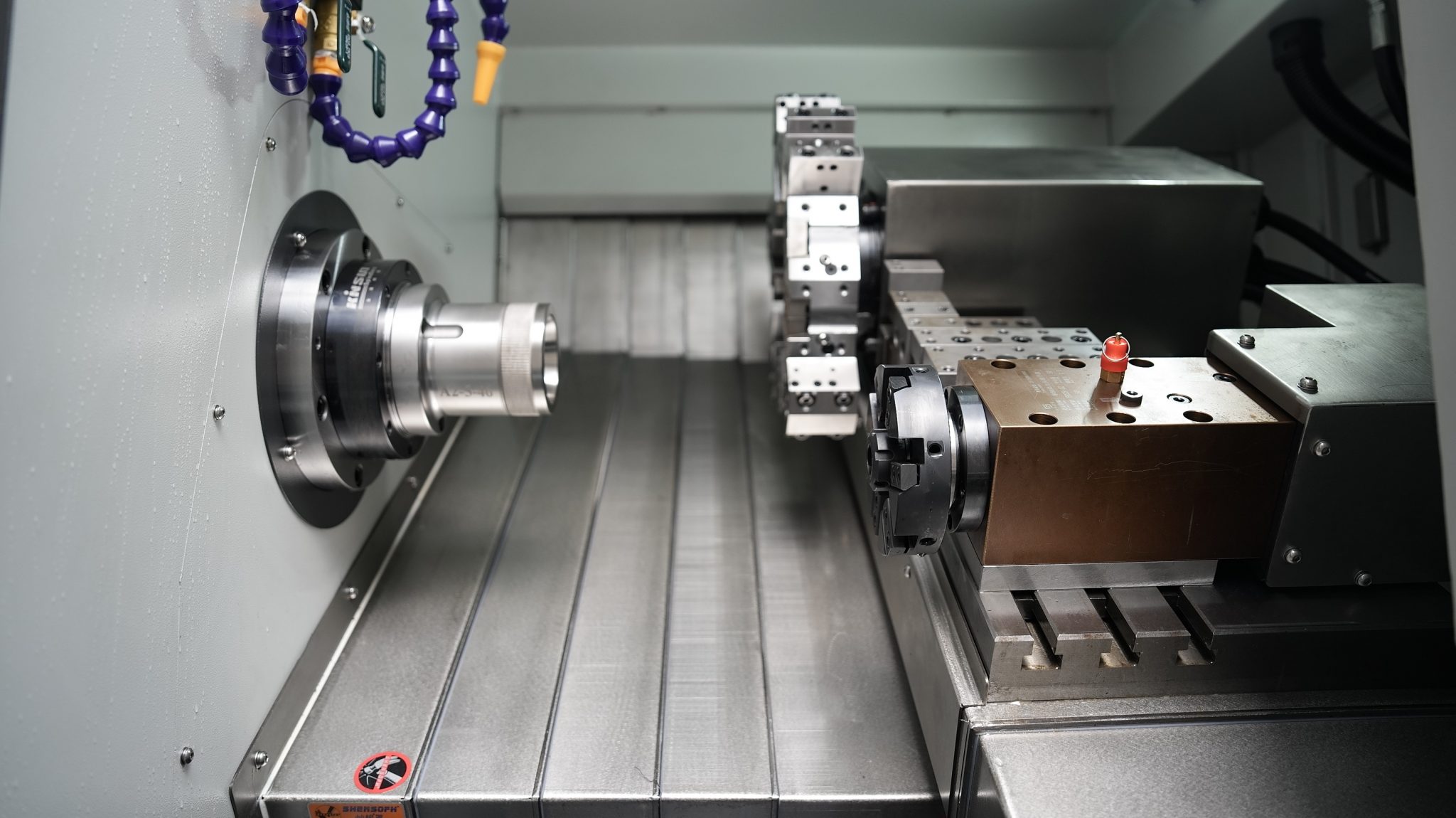
CNC machining solutions are supposed to prevent that, not cause it. I see this every week: parts late, teams scrambling, and a quiet sense that the tools aren’t talking to the people who need them most. (It’s frustrating—especially when a single spindle failure can ripple across two shifts.) The hard numbers make the scene worse: shops report machine downtime eating 5–20% of productive hours on average. So how do we stop firefighting and start designing for steady output instead? That’s the question I want us to answer next—let’s dig into what’s actually failing right now.
Where the Old Ways Break Down
What exactly goes wrong?
I’ll be blunt: many shops treat cnc machine automation as an add‑on, not a strategy. The result is brittle systems that choke under real demands. Legacy PLCs and isolated controllers can’t give you the visibility you need. Spindle speed alerts exist, sure, but they’re often logged into a spreadsheet no one checks. Servo motors twitch. Toolpath optimization stays theoretical. Surface finish specs get missed because data never flows between CAD/CAM and the floor.
Technically speaking, the failure modes repeat: poor data integration, weak predictive maintenance, and slow feedback loops. I’ve watched setups where G-code handoffs created mismatched expectations between programmers and operators. Look, it’s simpler than you think—if you can standardize how machines report status and make that info actionable, many failures vanish. Still, doing that means tackling tolerance stack issues, implementing robust coolant management strategies, and investing in decent telemetry. Little steps. Big returns. — funny how that works, right?
Forward View: New Principles and Medical Opportunities
What’s Next for Production and for Patients?
From here I like to shift from critique to design. The next layer is about principles: modular control, edge analytics, and closed‑loop feedback. We can apply CAD/CAM improvements and micro-milling advances to create pipelines that learn. For example, integrating real-time surface finish sensors means we can correct tool wear before a batch of implants drifts out of spec. That’s why I point teams toward open data standards and smarter tool changers—so responses happen in seconds, not hours.
Case in point: when we optimize for cnc machining solutions for medical—especially for parts with tight biocompatibility needs—the payoff is clear. Faster validation. Fewer rejects. Better patient safety. I’ve been involved in projects where pre-emptive quality checks reduced rework by nearly half. The tech stack there uses CAD/CAM links, tolerance monitoring, and material traceability. You don’t need a Hollywood-level overhaul to get results; incremental automation and well-chosen sensors move the needle. — and they usually pay for themselves within a year.
Closing: How to Choose Better — Three Metrics I Use
I always end with three things I check before recommending a solution. First, interoperability: can the system share data with your CAM and ERP without a ton of custom scripts? Second, actionable telemetry: does it surface machine health in a way your operators can act on in under five minutes? Third, outcome alignment: will it measurably reduce cycle time, scrap, or downtime within six months? Those are practical and testable.
I’ve shared ideas, frustrations, and a few wins here because I care about making shops less chaotic and more humane for the people who work in them. If you want a place to start, look at systems that prioritize clear diagnostics and open integration. I’m convinced real, lasting gains come from small, steady changes that respect both the machine and the operator. For resources and case studies, see Leichman.