
Industrial workplaces can expose employees to serious hazards, including flash fires, molten metal, sparks, and intense heat. In these environments, ordinary work trousers may not provide enough protection. flame resistant pants for men are designed to help reduce the severity of injuries when workers face certain thermal and fire-related hazards.
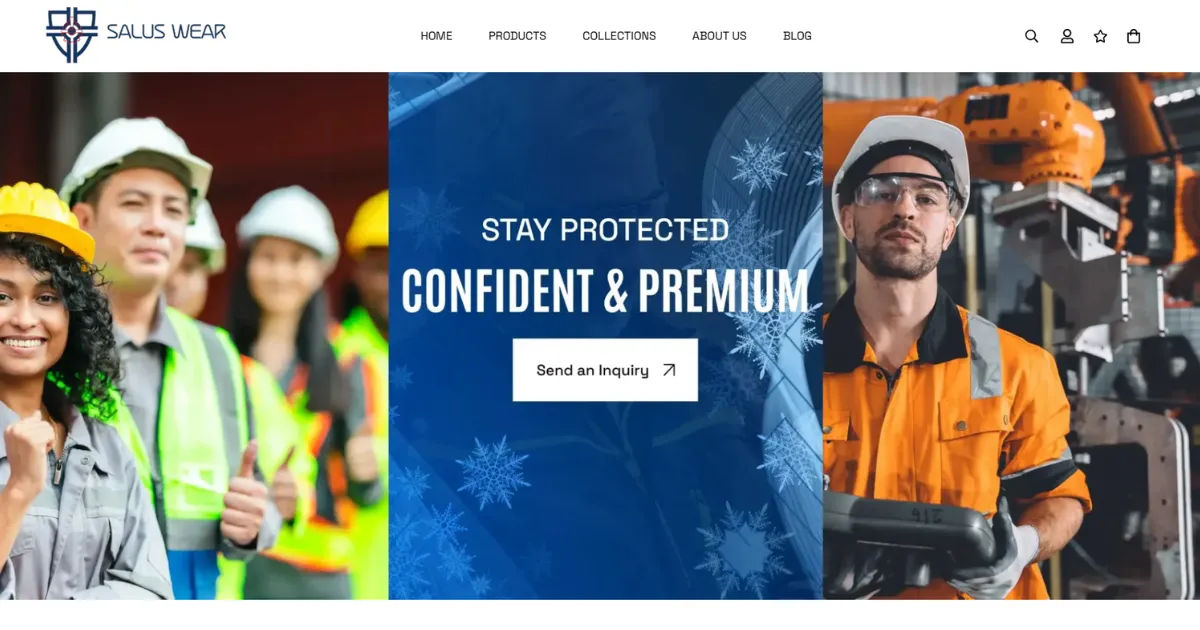
These specialized pants are commonly worn in industries where employees work around combustible materials, electrical equipment, chemicals, welding operations, or high-temperature processes. They are an important part of a broader personal protective equipment (PPE) program.
Understanding where these pants are used, how they work, and why employers require them can help workers make better decisions about workplace safety. The right protective clothing can provide an additional layer of protection while allowing employees to perform demanding tasks comfortably.
What Are Flame Resistant Pants?
Flame resistant pants are work trousers made from fabrics that are designed to resist ignition and limit the spread of flames. Unlike ordinary cotton or synthetic clothing, properly engineered protective fabrics can behave differently when exposed to heat or fire.
Some garments are made from inherently flame-resistant fibers. Their protective properties are built into the fibers themselves and are intended to remain effective throughout the garment's useful life. Other garments use treated fabrics that receive a chemical treatment to provide flame resistance.
The exact level of protection depends on the fabric, garment construction, design, and applicable safety standards. Workers should always select clothing based on the hazards present in their specific workplace.
Where Are Industrial Flame Resistant Pants Used?
Industrial protective trousers are used in many occupations. The common factor is exposure to hazards that could cause clothing to ignite, melt, or contribute to burn injuries.
Oil and Gas Industry
The oil and gas industry is one of the best-known users of flame resistant pants for men. Workers may operate at drilling sites, refineries, processing plants, pipelines, storage facilities, and production locations.
These environments can contain flammable gases, vapors, and liquids. Equipment can also generate sparks or high temperatures. A sudden release of combustible material can create a flash fire, giving workers very little time to react.
Protective trousers can help reduce the risk associated with burning clothing during such incidents. They are normally worn as part of a complete flame-resistant workwear system that may include shirts, coveralls, jackets, gloves, and other PPE.
Electrical Utility Work
Electrical workers can face arc flash hazards when working with energized electrical equipment. An arc flash can produce extremely high temperatures and release intense thermal energy in a very short period.
For workers exposed to these hazards, flame resistant pants for men can form an important part of an arc-rated clothing system. The garment is not intended to make electrical work risk-free. Instead, it is designed to help limit thermal injury when an arc-flash event occurs.
Electrical companies generally select protective clothing according to the expected hazard level and applicable workplace requirements. Workers must also use other protective equipment and follow established electrical safety procedures.
Welding and Metal Fabrication
Welding creates sparks, spatter, radiant heat, and extremely hot materials. Metal fabrication facilities may also involve cutting, grinding, brazing, and other processes that create ignition sources.
Welders often wear protective trousers because sparks can land on ordinary clothing and create burns or ignite the material. Durable flame-resistant workwear can provide additional protection during these activities.
The design of the pants also matters. Loose clothing, exposed pockets, or unsuitable materials can create additional hazards around welding equipment. Properly selected workwear should fit securely without restricting movement.
Chemical Processing Plants
Chemical manufacturing and processing facilities can involve flammable liquids, gases, and vapors. Employees may work near tanks, pipelines, pumps, reactors, and other industrial equipment.
In certain facilities, workers can be exposed to fire hazards caused by combustible chemicals. flame resistant pants for men may therefore be included in the required PPE for specific job roles.
It is important to understand that flame resistance does not automatically mean chemical resistance. A garment designed to resist flames may not protect against chemical splashes or corrosive substances. Employers must select clothing based on every relevant hazard rather than relying on one protective feature.
Petrochemical Facilities and Refineries
Refineries transform crude oil into fuels and other petroleum products through complex industrial processes. Because many materials handled at these sites are combustible, fire prevention and emergency preparedness are critical.
Maintenance personnel, operators, contractors, and other workers may be required to wear flame-resistant clothing in designated areas. flame resistant pants for men can help protect the lower body from thermal hazards when combined with appropriate shirts, footwear, gloves, and other PPE.
Refinery clothing programs may have detailed requirements regarding fabric performance, garment design, labeling, laundering, and replacement.
Construction Sites
Not every construction worker needs flame-resistant clothing. However, certain construction activities can involve substantial fire or electrical hazards.
Workers involved in welding, electrical installation, utility construction, pipeline work, or industrial construction may need specialized protective garments. In these situations, flame resistant pants for men can provide protection appropriate to the task.
Construction environments are constantly changing, so hazard assessments are particularly important. The clothing required for a concrete project may be very different from what is needed for an electrical installation or pipeline operation.
Mining Operations
Mining environments can involve combustible dust, machinery, electrical equipment, explosives, and high-temperature work. Depending on the type of mining operation and the specific job, employees may need specialized protective clothing.
Maintenance technicians, electricians, welders, and equipment operators may face different hazards within the same facility. Protective workwear should therefore be selected according to the employee's actual exposure.
Durable flame resistant pants for men may be used where fire or thermal hazards are identified as part of the workplace risk assessment.
Manufacturing Facilities
Industrial manufacturing covers a wide range of processes. Some factories work with plastics, metals, chemicals, paints, solvents, fuels, or other materials that can create fire risks.
Workers may also operate furnaces, industrial ovens, cutting equipment, welding machines, and electrical systems. In suitable environments, flame-resistant clothing can reduce the potential consequences of a fire-related incident.
The protective requirements should always be based on the particular manufacturing process rather than simply the industry name.
Why Are Flame Resistant Pants Important?
The main purpose of protective trousers is to reduce the consequences of certain thermal hazards. When ordinary clothing catches fire, it can continue burning and increase the duration of skin exposure to heat.
Flame-resistant materials are designed to behave differently. Depending on their construction and certification, they may resist ignition, self-extinguish after the heat source is removed, or help prevent flames from rapidly spreading through the garment.
This does not mean the wearer becomes immune to burns. A sufficiently intense or prolonged exposure can still cause serious injury. Protective clothing is one part of a larger safety system.
How Do These Pants Work?
There are several ways flame-resistant fabrics provide protection.
Inherently flame-resistant fibers have protective characteristics built into their chemical structure. Their performance is not dependent on a surface treatment that can simply wash away.
Treated fabrics receive a flame-resistant treatment during manufacturing. The treatment changes how the material reacts when exposed to flame or heat.
Garment construction is also important. Seams, closures, pockets, waistbands, and other components should be designed appropriately for the intended hazard. A highly protective fabric cannot provide its full benefit if the garment is poorly designed or incorrectly worn.
What Industries Need Them Most?
The industries with the greatest need are generally those where workers face a credible risk of flash fire, arc flash, molten substances, or other thermal events.
Oil and gas operations, electrical utilities, petrochemical facilities, welding environments, chemical plants, and certain manufacturing operations are common examples.
However, the need should never be determined only by the industry. Two companies in the same sector may have very different risks. A job-specific hazard assessment is a better way to determine whether protective trousers are necessary.
Important Features to Look For
When choosing protective work trousers, workers and employers should consider several factors.
Appropriate Protection Level
The garment should be suitable for the hazard. Arc-rated clothing, flash-fire clothing, and general flame-resistant workwear are not necessarily interchangeable.
The employer should identify the applicable standards and performance requirements before purchasing garments.
Durable Fabric
Industrial work can involve kneeling, climbing, bending, lifting, and contact with equipment. Protective pants need enough durability to withstand normal job demands.
A garment that becomes excessively damaged may no longer provide the intended protection.
Proper Fit
Protective clothing should fit correctly. Pants that are excessively loose can interfere with equipment or movement, while overly tight clothing can restrict mobility.
Workers should also ensure that the protective garment covers the required areas of the body.
Useful Pockets and Reinforced Areas
Industrial workers often carry tools and small equipment. Properly positioned pockets can make work easier without compromising garment safety.
Reinforced knees and other high-wear areas may also increase durability, particularly for workers who frequently kneel or work in physically demanding positions.
Caring for Flame Resistant Workwear
Proper maintenance is essential. Workers should follow the manufacturer's laundering instructions carefully.
Some industrial contaminants can affect the performance or safety of protective garments. Oil, grease, chemicals, and other substances should be handled according to workplace procedures.
Workers should inspect their flame resistant pants for men regularly for excessive wear, holes, damaged closures, contamination, or other problems.
Garments should be replaced when they are damaged beyond acceptable repair or when the manufacturer specifies that they have reached the end of their useful service life.
Common Mistakes Workers Should Avoid
One common mistake is assuming that any pair of work pants provides flame protection. Ordinary clothing may ignite or melt when exposed to high temperatures.
Another mistake is wearing synthetic clothing underneath or over protective garments without checking whether the combination is appropriate. Some synthetic materials can melt when exposed to intense heat.
Workers should also avoid modifying protective trousers without approval. Cutting, adding patches, changing closures, or making other alterations can affect garment performance.
Finally, protective clothing should never replace safe work practices. Fire prevention, equipment maintenance, training, emergency procedures, and hazard controls remain essential.
Are Flame Resistant Pants Comfortable?
Modern protective trousers are available in many designs intended to balance protection, durability, and comfort. Manufacturers may offer lightweight fabrics, stretch materials, ergonomic cuts, multiple pocket configurations, and moisture-management features.
Comfort matters because workers may wear these garments for an entire shift. If clothing is uncomfortable, workers may be tempted to wear it incorrectly or remove it when protection is required.
The best choice is therefore not simply the heaviest or thickest garment. It is clothing that provides the necessary protection while being practical for the working environment.
Choosing the Right Pants for the Job
Employers should begin by identifying workplace hazards. Once the hazards are understood, they can determine which standards and performance characteristics apply.
Workers should then consider the garment's fabric, rating, fit, durability, design, and care requirements.
For example, an electrical technician may need arc-rated clothing, while a welder may have different requirements related to sparks and molten metal. A refinery worker may need protection against flash-fire hazards.
Choosing flame resistant pants for men should therefore be a safety decision rather than simply a clothing purchase.
The Role of Employers and Workers
Employers have an important responsibility to identify hazards and establish appropriate PPE requirements. They should provide training on how protective garments should be worn, maintained, inspected, and replaced.
Workers also have responsibilities. They should wear required PPE correctly, report damaged clothing, follow safety procedures, and avoid using garments for hazards they were not designed to address.
Good safety practices depend on cooperation between management and employees.
Conclusion
Industrial flame-resistant trousers are used in many workplaces where employees may encounter fire, extreme heat, sparks, arc flash, or other thermal hazards. Oil and gas facilities, refineries, electrical utilities, welding shops, chemical plants, mining operations, manufacturing facilities, and specialized construction projects are among the most common settings.
The purpose of flame resistant pants for men is not to make hazardous work completely safe. Instead, properly selected protective clothing can help reduce the severity of injuries during specific thermal events. Its effectiveness depends on the fabric, garment construction, certification, proper fit, maintenance, and correct use.
Workers should always understand the hazards associated with their particular jobs before selecting protective clothing. A garment that works well for one environment may not provide the protection required in another.
Ultimately, protective pants are most effective when they are part of a complete workplace safety program. Hazard controls, employee training, equipment safety, emergency planning, and appropriate PPE all work together to protect workers.
For industrial employees, selecting the right flame resistant pants for men is therefore an important step toward safer and more responsible work practices. The right garment can provide valuable protection while allowing workers to perform their jobs with confidence, mobility, and comfort.