
In today’s competitive business environment, companies need more than a good product or service to attract attention. They also need a strong visual identity that people can recognize and remember. This is one reason Mascot Logo Design Services have become increasingly popular among businesses, sports teams, gaming brands, schools, restaurants, and online communities. Mascot logos use characters, personalities, and expressive visual elements to give a brand a friendly and memorable identity.
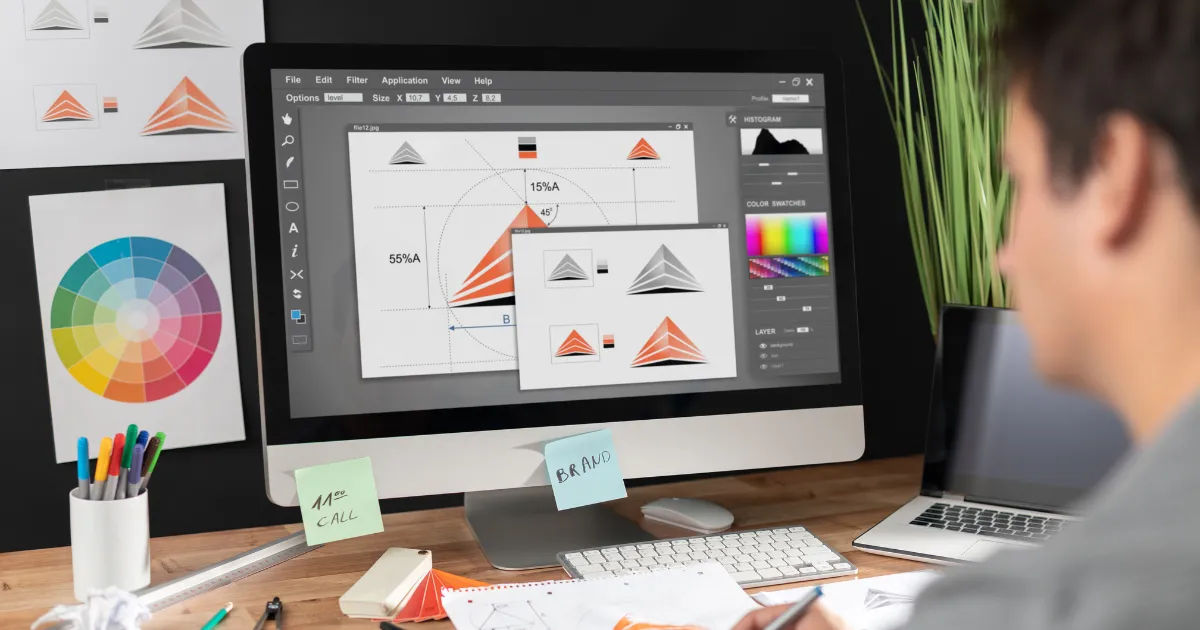
Unlike simple text-based logos, mascot designs can communicate emotions and brand values through a recognizable character. A well-designed mascot can look energetic, professional, playful, trustworthy, bold, or adventurous, depending on the needs of the organization.
The popularity of mascot logos comes from their ability to connect visual branding with human emotions. People often remember characters more easily than complicated symbols or long business names. When designed correctly, a mascot can become a recognizable representative of an entire brand.
What Is a Mascot Logo?
A mascot logo is a visual identity that uses a character as the main element of the design. The character may be a person, animal, fictional creature, object, or customized figure.
For example, a sports team might use a powerful animal to represent strength. A children's business could use a friendly cartoon character to appear approachable. A gaming company might use an exciting fictional character to create an energetic image.
The character is usually designed with specific facial expressions, clothing, poses, colors, and accessories that communicate the personality of the brand.
A mascot can also be combined with typography. The business name may appear below, beside, or around the character. This creates a complete logo that can be used across websites, packaging, uniforms, advertisements, social media, and other marketing materials.
Why Are Mascot Logos So Popular?
Mascot logos have become popular because they offer something that many traditional logos cannot provide: personality.
A standard symbol can identify a company, but a mascot can make the company feel more human. The character can smile, pose, celebrate, compete, or communicate different emotions.
Several important factors explain the growing popularity of mascot branding.
They Create an Emotional Connection
People naturally respond to faces, expressions, and characters. A mascot can use these elements to create an emotional connection between a business and its audience.
A friendly character may make customers feel comfortable. A confident character may communicate reliability. An energetic character can make a brand appear exciting.
This emotional connection can help businesses become more memorable.
They Are Easy to Recognize
Recognition is important in branding. Customers see hundreds of advertisements, logos, and promotional messages every day.
A distinctive mascot gives a company an opportunity to stand apart.
A unique character with recognizable features can become strongly associated with a particular brand. Even when customers see the mascot without the company name, they may still recognize the business.
They Give Brands a Personality
A mascot can represent a brand personality in a visual way.
For example, a company that wants to appear adventurous might use a brave explorer character. A food brand could use a cheerful chef. A technology company might choose a futuristic character.
This makes it easier for customers to understand the brand's personality without reading a long description.
The Role of Mascot Logo Design Services
Professional Mascot Logo Design Services help businesses transform ideas into carefully developed brand characters.
Creating an effective mascot involves much more than drawing a cartoon. Designers need to understand the target audience, industry, brand message, visual style, and practical requirements.
The design process often begins with research. Designers study the business and its competitors to determine what visual approaches may work best.
After that, they develop concepts and sketches. Different character ideas may be explored before selecting the strongest direction.
The chosen concept is then refined through details such as facial expressions, proportions, clothing, colors, typography, and poses.
Professional design services also consider how the mascot will appear at different sizes and on different platforms.
Mascots Help Small Businesses Stand Out
Small businesses often compete with larger companies that have bigger advertising budgets.
A memorable mascot can provide an affordable way to create a distinctive identity.
Instead of relying only on a business name, a small company can develop a character that customers associate with its products and services.
For example, a local restaurant could develop a memorable chef character. A children's education center might use an imaginative animal mascot. A sports training business could create a strong and energetic character.
These visual identities can make smaller brands easier to remember.
Mascot Logos Are Effective for Social Media
Social media has played an important role in the popularity of mascot branding.
Platforms such as Instagram, Facebook, TikTok, YouTube, and other digital channels depend heavily on visual content.
A mascot can appear in posts, videos, advertisements, profile images, stickers, animations, and promotional graphics.
The character can also be placed in different situations while maintaining the same basic identity.
For example, the mascot might celebrate a holiday, announce a discount, introduce a new product, or respond to a popular trend.
This flexibility makes mascots particularly useful for digital marketing.
Mascots Can Become Content Characters
A mascot does not have to remain inside the original logo.
Businesses can use the same character in marketing campaigns and storytelling.
The mascot could explain a product, demonstrate how something works, introduce employees, or appear in educational content.
This turns the logo into a broader communication tool.
They Work Well for Sports Teams
Sports organizations have used mascots for decades because characters can communicate energy, competition, and team spirit.
A strong animal, warrior, superhero, or other character can represent determination and confidence.
Mascots can appear on jerseys, banners, stadium signs, websites, social media accounts, merchandise, and promotional materials.
Fans may develop an emotional relationship with the character, especially when the mascot becomes part of the team's culture.
This is one reason sports organizations continue to invest in professional mascot branding.
Mascots Are Popular in Gaming
Gaming is another industry where mascot logos are highly effective.
Games often depend on characters to create memorable experiences. A mascot can therefore fit naturally into gaming-related branding.
A distinctive character can represent a game studio, esports team, gaming channel, or online community.
The design can also be adapted into avatars, merchandise, streaming graphics, social media images, and promotional videos.
A strong mascot may eventually become almost as recognizable as the brand name itself.
They Make Brands More Approachable
Some industries can appear serious or complicated.
Financial services, technology companies, educational organizations, and professional service providers may sometimes struggle to appear approachable.
A carefully designed mascot can make the visual identity friendlier without removing professionalism.
The key is choosing a character style that matches the audience.
A financial company, for instance, may use a sophisticated character rather than an exaggerated cartoon. The goal is to create warmth while maintaining trust.
Mascots Improve Brand Storytelling
Storytelling has become an important part of modern marketing.
Customers often want to know what a company represents, not simply what it sells.
A mascot can become the central character in that story.
A business might create a background story for its mascot, explain its personality, or use it in advertising campaigns.
This gives customers another way to engage with the brand.
A character can also represent the company's mission. A mascot designed as an explorer might communicate innovation and discovery. A protective character might represent safety and reliability.
Professional Mascot Design Offers Greater Customization
One major advantage of professional design is customization.
Businesses do not have to select a generic character from a template library.
Professional designers can create a mascot specifically for the brand.
They can adjust the character's age, clothing, posture, expression, accessories, body shape, and other details.
This makes the final design more distinctive.
Originality Matters
A mascot should not look too similar to another company's character.
An original design helps reduce confusion and creates a stronger visual identity.
Professional designers can research existing visual styles and create concepts that are appropriate for the brand while maintaining originality.
Mascot Logos Support Merchandise
Another reason mascot branding is popular is merchandise.
A recognizable character can be printed on shirts, caps, bags, mugs, stickers, notebooks, packaging, and other products.
This can turn customers and supporters into walking promoters.
For sports teams and gaming communities, merchandise can become an important part of brand culture.
Even ordinary businesses can use mascot-based merchandise for events, promotional campaigns, customer rewards, or employee gifts.
Mascots Can Increase Brand Recall
Brand recall refers to the ability of customers to remember a brand when they encounter a product, service, or related need.
A memorable character can contribute to this process.
When a mascot has distinctive visual features, customers may recognize it quickly.
However, simply having a mascot does not guarantee strong brand recall. The character needs to be consistent and professionally designed.
Businesses should use the same core character across major marketing channels.
Consistency Makes Mascot Branding Stronger
A successful mascot should remain recognizable across different applications.
Its basic appearance, colors, proportions, and personality should be consistent.
Minor changes may be appropriate for different situations, but the main identity should remain stable.
Professional design guidelines can help businesses maintain this consistency.
These guidelines may explain colors, typography, character usage, spacing, backgrounds, and different mascot poses.
Mascot Logos Work Across Different Media
Modern businesses need logos that work in many places.
A mascot may appear on a large billboard and then be displayed as a tiny social media profile image.
It may also appear on a website, mobile application, business card, product package, uniform, or printed advertisement.
A professional mascot should therefore remain recognizable at different sizes.
Vector-based artwork is particularly useful because it can generally be resized without losing quality.
The Importance of Choosing the Right Style
Not every mascot needs to look like a traditional cartoon.
Mascot styles can range from simple and modern to detailed and realistic.
The appropriate style depends on the business.
A children's brand might benefit from bright and playful artwork, while an esports organization may prefer a bold and aggressive character.
A professional designer can help determine which visual direction fits the target audience.
How to Choose Mascot Logo Design Services
Businesses considering mascot branding should evaluate several factors before selecting a designer or agency.
Review the Portfolio
A portfolio provides valuable information about a designer's skills.
Look for variety, originality, clean line work, strong expressions, and well-developed characters.
Pay attention to whether previous designs appear customized rather than copied from generic templates.
Check the Design Process
A reliable design provider should have a clear process.
The process may include research, concept development, sketches, revisions, final artwork, and delivery of different file formats.
Clear communication throughout the process can reduce misunderstandings.
Consider Brand Understanding
The designer should understand the business before creating the mascot.
They should know who the target customers are and what the company wants to communicate.
A visually attractive character is not enough if it does not represent the brand correctly.
Ask About File Formats
Businesses should receive appropriate files for different uses.
Common formats can include vector and raster files.
Vector files are useful for professional printing and resizing, while raster files can be convenient for websites and digital applications.
Common Mistakes to Avoid
Although mascot logos provide many advantages, poor execution can reduce their effectiveness.
One common mistake is creating a character with too many details.
A complicated mascot may look impressive at a large size but become unclear when reduced.
Another mistake is choosing colors without considering the overall brand identity.
Businesses should also avoid copying popular characters or creating designs that are too similar to existing brands.
Finally, companies should avoid changing the mascot's appearance constantly. Consistency is essential for recognition.
The Future of Mascot Branding
Mascot branding is likely to remain relevant as businesses continue searching for engaging ways to communicate online.
Digital platforms provide more opportunities for characters to move beyond static logos.
Animated mascots, short videos, interactive characters, stickers, and virtual experiences can expand the role of a mascot.
Artificial intelligence and other digital tools may also make it easier to create different mascot expressions and promotional variations.
However, the basic principles of good branding will remain important. The character must still be distinctive, relevant, recognizable, and connected to the brand.
Why Businesses Continue Investing in Mascots
The popularity of Mascot Logo Design Services is not based on appearance alone.
Businesses choose mascots because they can combine branding, storytelling, emotional connection, and marketing flexibility in one visual identity.
A successful mascot can make a business appear more approachable and memorable. It can also support social media campaigns, merchandise, advertising, and community engagement.
For organizations that want a strong personality behind their brand, a mascot can be an effective long-term investment.
Conclusion
The popularity of Mascot Logo Design Services comes from the unique way mascots combine visual recognition with personality. A simple symbol can identify a company, but a well-developed character can communicate emotions, values, and stories.
Mascots are especially valuable in industries where personality and engagement matter. Sports teams, gaming companies, restaurants, children's brands, educational organizations, online communities, and many other businesses can use characters to build stronger connections with their audiences.
A successful mascot should not simply look attractive. It should represent the brand, appeal to the target audience, remain recognizable at different sizes, and work across multiple marketing platforms.
Professional design services can help businesses achieve these goals through research, customized concepts, thoughtful character development, and consistent visual execution.
As digital marketing continues to become more visual, businesses need identities that can capture attention quickly. A distinctive mascot can provide exactly that. It can appear in advertisements, social media posts, videos, packaging, merchandise, websites, and events while maintaining a consistent brand identity.
Ultimately, the strength of a mascot comes from its ability to become more than a logo. It can become a recognizable character that customers associate with a company's personality and values. That combination of recognition, emotion, flexibility, and storytelling explains why mascot branding continues to attract businesses and audiences alike.